Spezielle Nieten
Produkte
- View as
Messingnieten
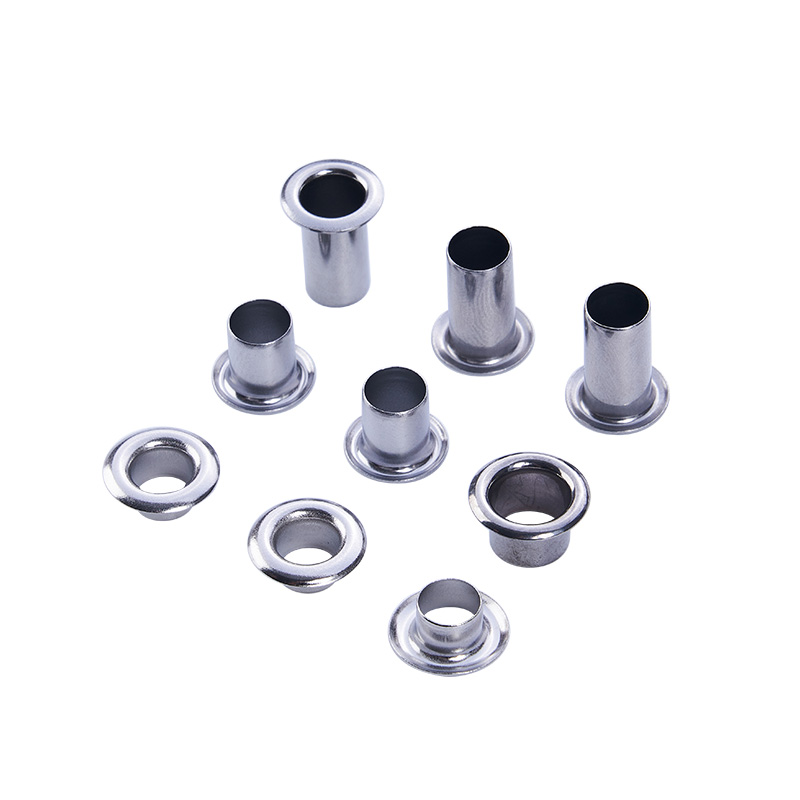
Nuote Metals stellt Messingnieten in drei Ausführungen her – massiv, halbrohrförmig und vollständig rohrförmig – und kombiniert die klassischen Vorteile von Messing mit zuverlässiger Produktionslinienleistung. Erhältlich mit Schaftdurchmessern von 1,5–8,0 mm, mit lackierter, vernickelter oder antiker Oberfläche. ISO 9001:2015 zertifiziert. Kostenlose Muster verfügbar. Kontaktieren Sie uns für ein Angebot.
WeiterlesenAnfrage absenden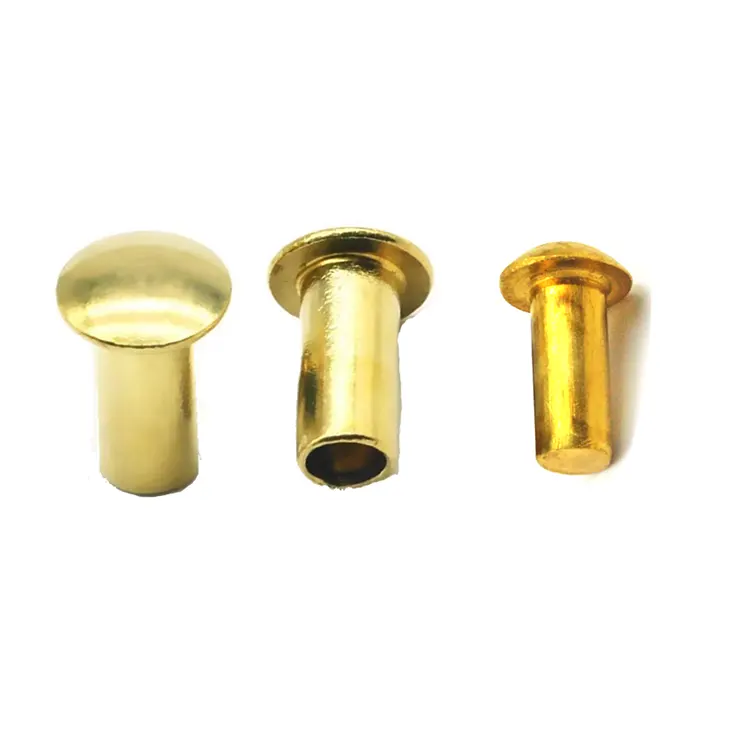
Flachkopfnieten aus Messing
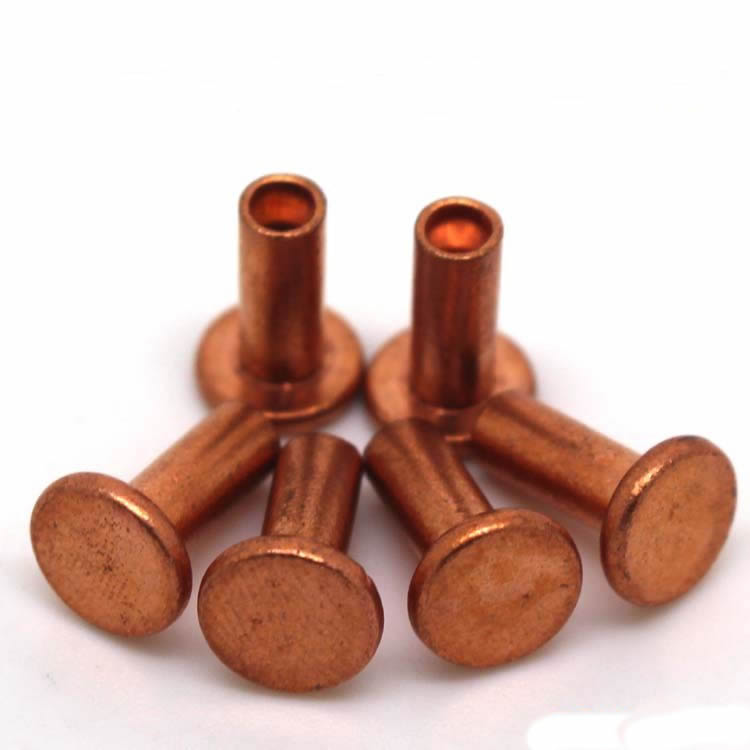
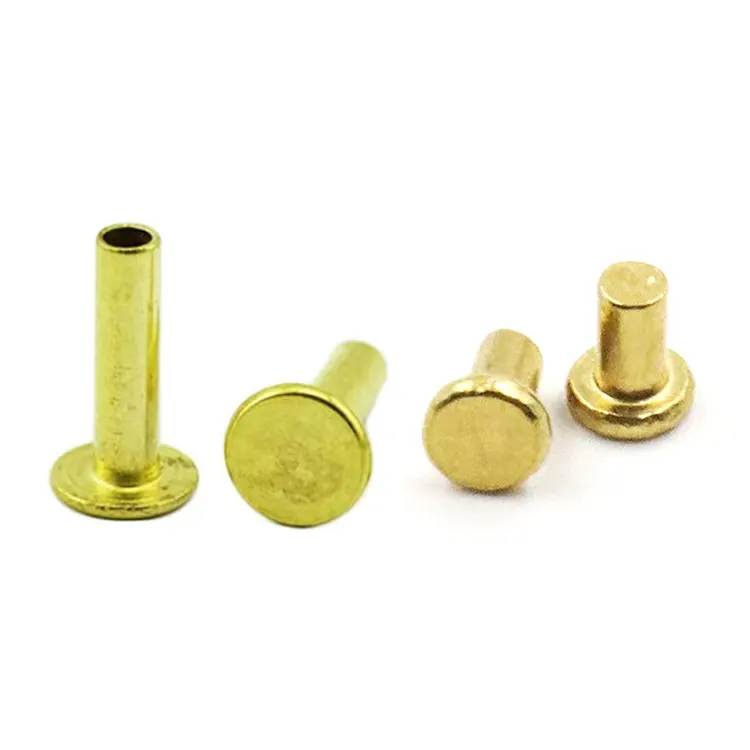
Nuote Metals ist auf die Herstellung von Flachkopfnieten aus Messing spezialisiert. Unsere Nieten bestehen aus H65-Messing, das einen hohen Messinganteil hat, weich und leicht formbar ist und beim Nietvorgang weniger leicht reißt. Flachkopfnieten aus Messing bestehen aus einem Kopf und einem Schaft, wobei der Schaft etwa auf der Hälfte seiner Länge hohl ist. Bei der Montage wird der Niet in ein vorgebohrtes Loch eingeführt. Mit Hilfe einer speziellen Nietmaschine und eines Stempels weitet sich das Ende des Schafts auf und formt auf der anderen Seite den Kopf, wodurch eine Klemmverbindung entsteht. Dieser Prozess beruht auf der plastischen Verformung des Metalls, sodass kein Schweißen oder Kleben erforderlich ist, was ihn einfach und effizient macht.
WeiterlesenAnfrage absenden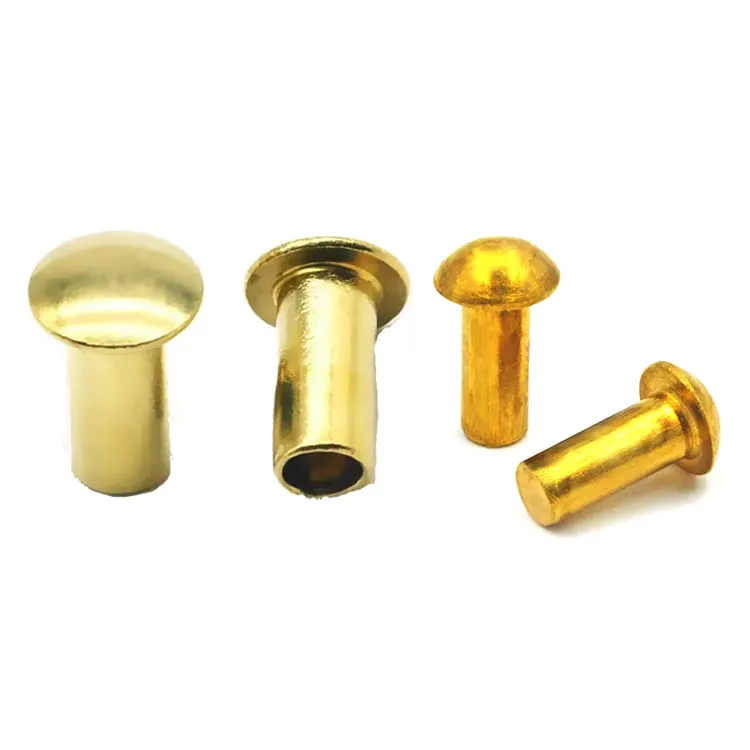
Messing-Pilzkopfnieten
Messing-Pilzkopfnieten bestehen aus einem Kopf und einem Körper. Der Kopf ist rund und leicht abgeflacht und ähnelt einem Pilzhut. Der Körper ist halbhohl, das heißt, er hat ein Loch in der Mitte, geht aber nicht vollständig durch. Diese werden als halbhohle Pilzkopfnieten aus Messing bezeichnet. Einige Nieten haben einen massiven Körper, sogenannte massive Messing-Pilzkopfnieten. Bei der Montage wird das Gehäuse mit einem Spezialwerkzeug in das vorgebohrte Loch eingesetzt. Durch Druck wird der Körper verformt, wodurch er sich ausdehnt und das Material festhält, wodurch eine sichere Verbindung entsteht. Nuote Metals ist auf die Herstellung dieser Messing-Pilzkopfnieten spezialisiert.
WeiterlesenAnfrage absenden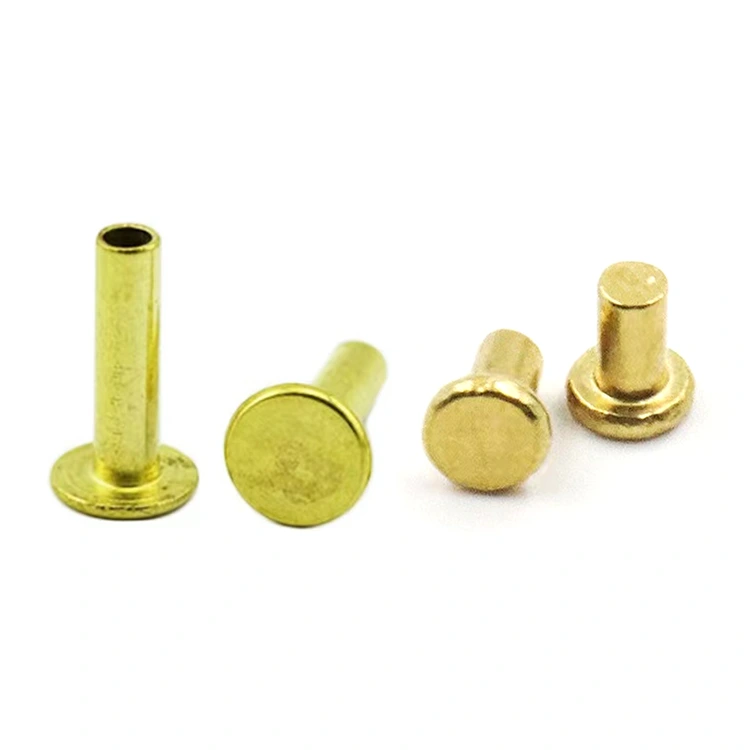
Flachkopfnieten aus Messing
Flachkopfnieten aus Messing sind Metallstäbe mit einer Kappe an einem Ende. Sie erreichen die Vernietung durch Verformung oder Presspassung und sind ein gängiges Befestigungselement. Das flache Kopfdesign reduziert Oberflächenvorsprünge und eignet sich daher für Anwendungen, die eine hohe Ebenheit erfordern. Die Korrosionsbeständigkeit von Messing gewährleistet die Stabilität der Verbindung auch in feuchten und korrosiven Umgebungen. Nuote Metals ist auf die Herstellung von Flachkopfnieten aus Messing spezialisiert. Wir verfügen über Tausende von Formen und können eine Vielzahl von Nietspezifikationen herstellen. Wir unterstützen auch kundenspezifische Designs und Muster.
WeiterlesenAnfrage absenden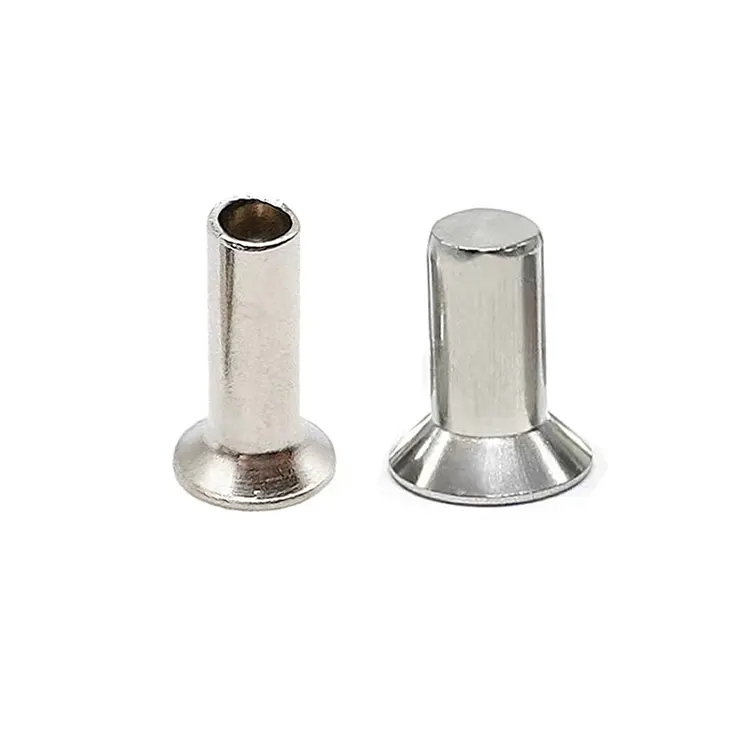
Senkkopfnieten aus Messing
Messing-Senkkopfnieten bestehen im Wesentlichen aus einem Kopf und einem Schaft. Der versenkte Kopf ermöglicht eine bündige Installation mit der Werkstückoberfläche und eliminiert Vorsprünge, die das Aussehen oder die Funktion beeinträchtigen könnten. Beim Nietvorgang verformt sich der Halbhohlschaft und es entsteht eine Verbindung. Dieses Design verbessert nicht nur die Installationseffizienz, sondern erhöht auch die Verbindungszuverlässigkeit. Nuote Metals ist auf die Herstellung von Senkkopfnieten aus Messing spezialisiert und zeichnet sich durch hohe Präzision und eine glatte, kratzfreie Oberfläche aus. Wir heißen Freunde aus der ganzen Welt willkommen, unser Unternehmen zu besuchen und mit uns zusammenzuarbeiten.
WeiterlesenAnfrage absenden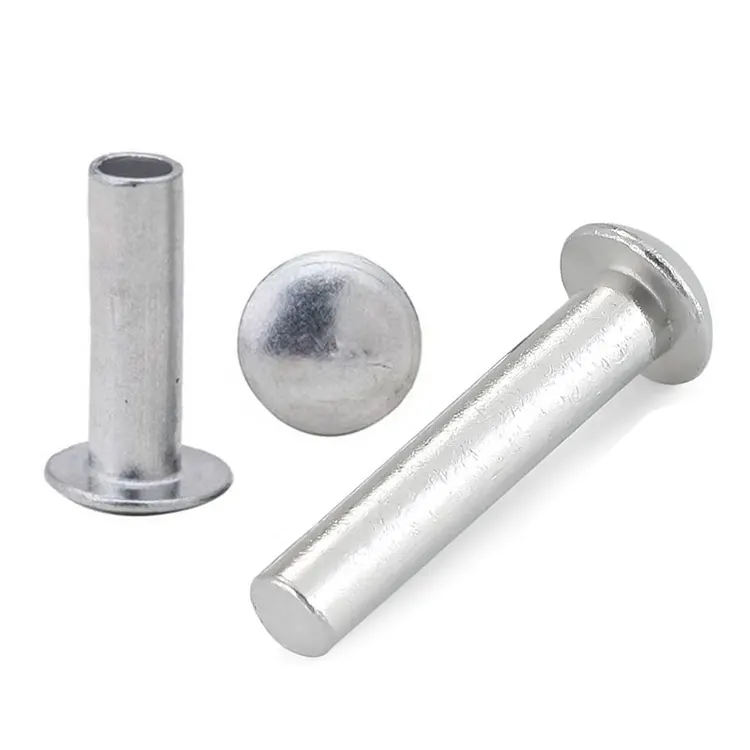
Aluminium-Rundkopfnieten
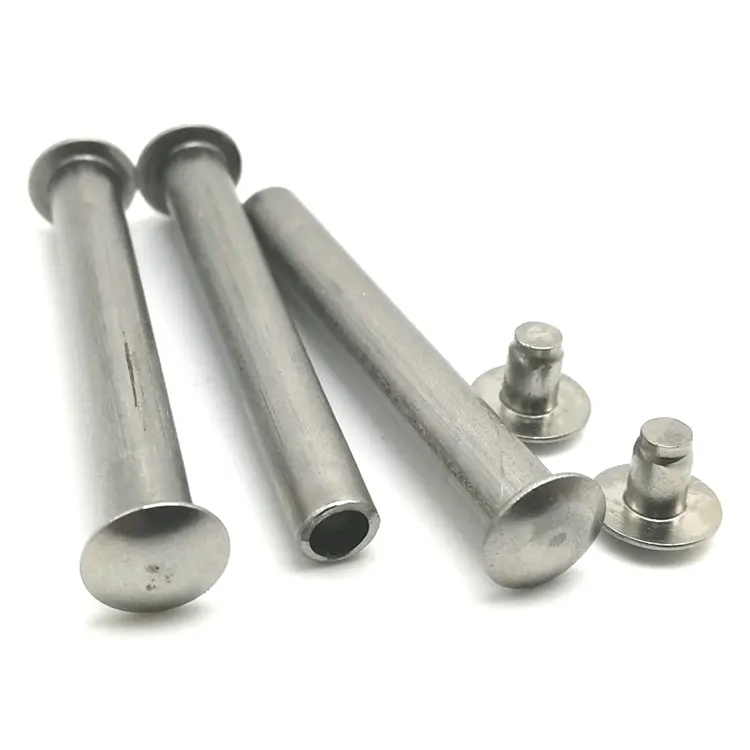
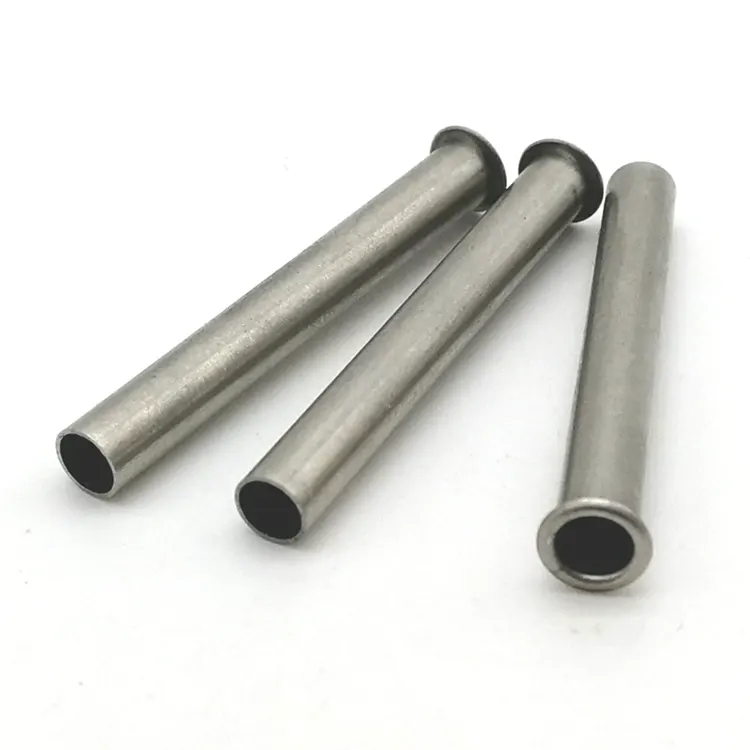
Aluminium-Rundkopfnieten werden aufgrund ihres geringen Gewichts, ihrer hohen Festigkeit, Korrosionsbeständigkeit und hervorragenden Verbindungseigenschaften häufig in verschiedenen Bereichen eingesetzt. Nuote Metals ist ein chinesischer Hersteller, der sich auf die Herstellung von Aluminium-Rundkopfnieten spezialisiert hat. Unsere Nieten werden weltweit exportiert und wir heißen Kunden herzlich willkommen, uns für Anfragen zu besuchen.
WeiterlesenAnfrage absendenHerstellungsprozess von Spezialnieten
Bei der Herstellung von Spezialnieten sind mehrere Verbindungen erforderlich, darunter vor allem:
1.Materialauswahl:Wählen Sie je nach Einsatzumgebung geeignete Metall- oder Legierungsmaterialien aus.
2.Kaltüberschrift oder Heißüberschrift:Durch Druckbearbeitung wird die Grundform der Niete in den Metallrohling geformt.
3.Drehen oder Fräsen:Bearbeiten Sie die Details wie den Kopf und den Schaft der Niete sorgfältig, um die Maßhaltigkeit sicherzustellen.
4.Oberflächenbehandlung:Zum Beispiel Verzinken, Vernickeln, Eloxieren usw. zur Verbesserung der Korrosionsbeständigkeit oder Ästhetik.
Vorteile und Grenzen von Spezialnieten
(1) Vorteile: Sie können spezielle Anforderungen erfüllen, die Montageeffizienz und Verbindungszuverlässigkeit verbessern und eignen sich für komplexe oder anspruchsvolle Anwendungsszenarien.
(2) Einschränkungen: Da es sich um kundenspezifische Produkte handelt, sind die Produktionskosten hoch, der Lieferzyklus relativ lang und die Kunden müssen detaillierte technische Parameter angeben.
Wie wählt man geeignete Spezialnieten aus?
(1)Klären Sie die Bedürfnisse:Bestimmen Sie die wichtigsten Parameter wie die Betriebsumgebung des Niets, die Belastungsbedingungen und die Anforderungen an die Korrosionsbeständigkeit.
(2)Materialabstimmung:Wählen Sie das geeignete Material basierend auf den tatsächlichen Anforderungen aus, um eine Überkonstruktion zu vermeiden, die zu höheren Kosten führt.
(3)Kommunizieren Sie mit Lieferanten:Stellen Sie detaillierte technische Zeichnungen oder Muster zur Verfügung, um sicherzustellen, dass die hergestellten Spezialnieten den Erwartungen entsprechen.
Was sind die Hauptanwendungsgebiete von Spezialnieten?
(1)Luft- und Raumfahrt: Flugzeuge, Raketen und andere Ausrüstungsgegenstände stellen extrem hohe Anforderungen an das Gewicht, die Festigkeit und die Hochtemperaturbeständigkeit von Verbindungselementen. Spezielle Nieten können je nach Bedarf optimiert werden.
(2)Automobilbau:Bestimmte Sondermodelle oder Hochleistungsfahrzeuge erfordern möglicherweise Spezialnieten, um den Anforderungen leichter oder hochfester Verbindungen gerecht zu werden.
(3)Elektronische Geräte:Präzisionsinstrumente oder kleine elektronische Geräte erfordern möglicherweise Mikro-Spezialnieten, um die Stabilität und Kompaktheit der Verbindung zu gewährleisten.
(4)Baubranche:Bei einigen speziell strukturierten Gebäuden oder Dekorationsprojekten werden möglicherweise spezielle Nieten verwendet, um bestimmte Installationsanforderungen zu erfüllen.
Marktstatus von Spezialnieten
Mit der Weiterentwicklung der Industrietechnologie haben immer mehr Branchen begonnen, Spezialnieten zur Optimierung des Produktdesigns einzusetzen. Derzeit konzentrieren sich Spezialnietenhersteller hauptsächlich auf die Regionen Jangtse-Delta und Perlflussdelta in China und können eine Vielzahl maßgeschneiderter Dienstleistungen anbieten. Aufgrund des hohen Stückpreises von Spezialnieten ist die Marktgröße relativ klein, aber die Nachfrage im High-End-Fertigungsbereich wächst weiter.
Zukünftige Entwicklungstrends
(1)Leichtes Design: Mit der Verbesserung der Energiespar- und Umweltschutzanforderungen werden Spezialnieten aus leichten Materialien immer beliebter.
(2)Intelligente Produktion: Automatisierte Anlagen und digitales Management werden die Produktionseffizienz und Qualitätsstabilität von Spezialnieten weiter verbessern.
(3)Breitere Anwendung: Aufstrebende Industrien wie neue Energien und Robotik könnten das Wachstum der Nachfrage nach Spezialnieten vorantreiben.
Zusammenfassend lässt sich sagen, dass es sich bei Spezialnieten um hochgradig kundenspezifische Verbindungselemente handelt, die spezielle Anforderungen erfüllen können, die Standardnieten nicht erfüllen können. Obwohl die Produktionskosten relativ hoch sind, spielt es in Branchen wie Luft- und Raumfahrt, Automobil und Elektronik eine unersetzliche Rolle. Mit der Weiterentwicklung der Fertigungstechnologie wird erwartet, dass sich der Anwendungsbereich von Spezialnieten in Zukunft weiter erweitern wird.



X
Wir verwenden Cookies, um Ihnen ein besseres Surferlebnis zu bieten, den Website-Verkehr zu analysieren und Inhalte zu personalisieren. Durch die Nutzung dieser Website stimmen Sie der Verwendung von Cookies zu.
Datenschutzrichtlinie