Ösen
Nuote Metals, ein renommierter Hersteller in China, ist bereit, Ihnen Ösen anzubieten. Wir versprechen Ihnen den besten After-Sales-Support und eine schnelle Lieferung.
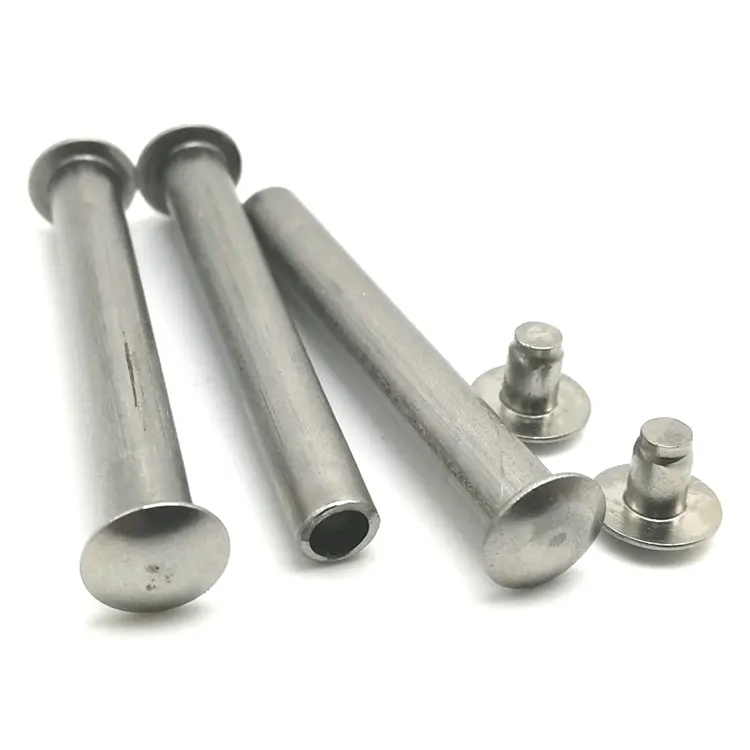
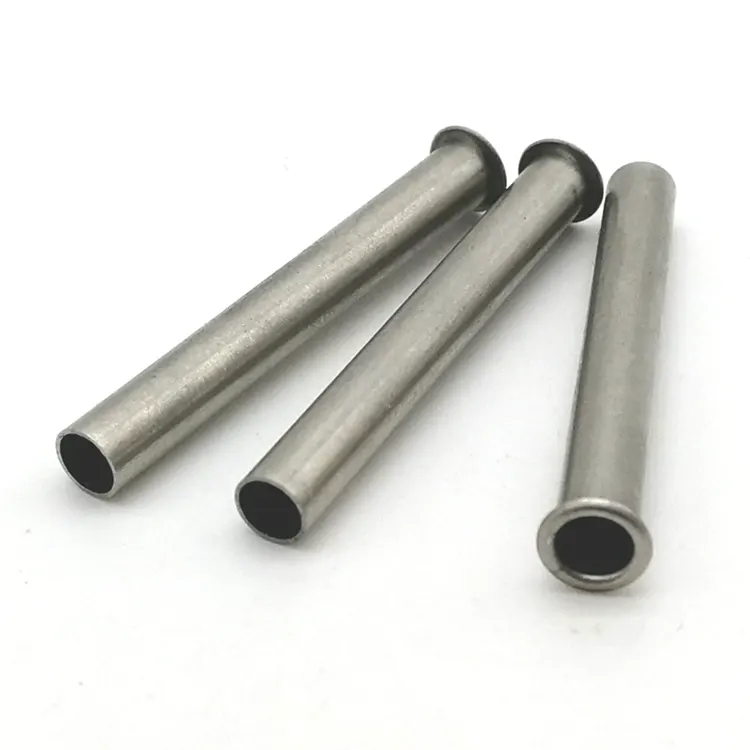
Ösen zeichnen sich durch schnelle Installation, stabile Leistung und hohe Zuverlässigkeit aus. Im Vergleich zu anderen Befestigungselementen sind Ösen pro Stück deutlich günstiger und haben ein breites Anwendungsspektrum. Sie sind ähnlich mitRohrnieten, aber mit unterschiedlichen Techniken und Maschinen hergestellt. Ösen werden aus tiefgezogener Technik hergestellt, und Hohlnieten werden aus Rohr hergestellt.
Was ist eine Öse?
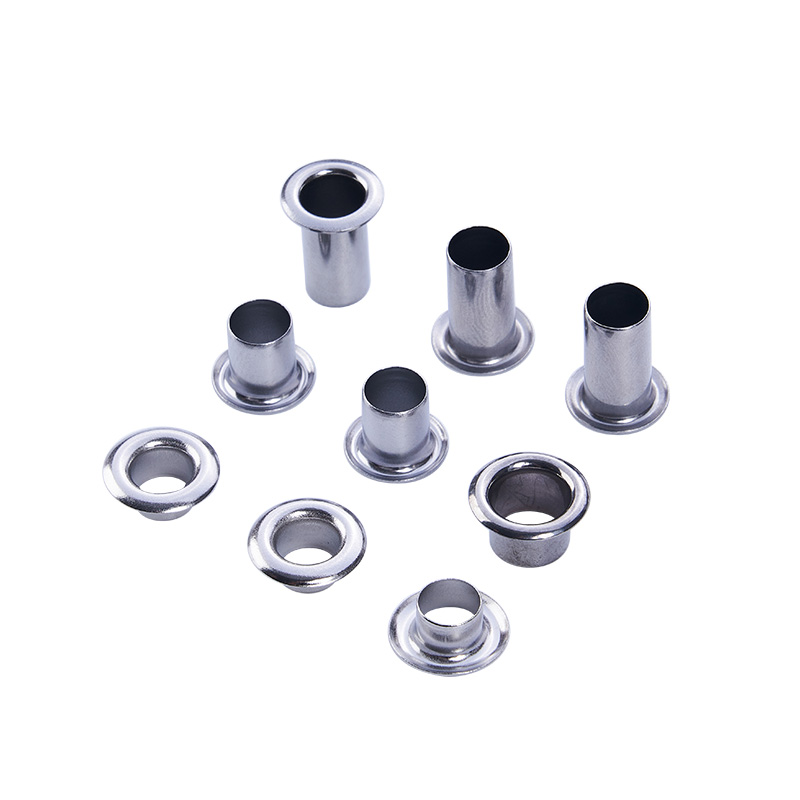
Eine Öse besteht im Wesentlichen aus einer Kappe und einem Schaft. Die Kappe ist typischerweise rund oder oval und bietet eine große Oberfläche zum einfachen Hämmern bei der Installation. Der Schaft hat eine moderate Länge und einen moderaten Durchmesser, sodass die Niete zwei oder mehr Komponenten sicher verbindet. Die Hauptfunktion dieser Art von Öse besteht darin, Komponenten zu verbinden und zu sichern und so eine sichere Verbindung ohne Beschädigung des Materials zu gewährleisten.
Welche Arten von Ösen gibt es?
Basierend auf dem verwendeten Material können sie kategorisiert werden alsMessingösen, Stahlösen, Edelstahlösen, Aluminiumösen, UndKupferösen. Verschiedene Ösen haben je nach Materialbeschaffenheit unterschiedliche Eigenschaften.
Messingösen: Sie bieten eine hervorragende elektrische Leitfähigkeit und Korrosionsbeständigkeit und werden daher häufig für verschiedene elektrische Verbindungen und Befestigungsanwendungen eingesetzt.
Stahlösen: Stahl bietet eine hohe Festigkeit und Härte und ist relativ kostengünstig. Allerdings weist Stahl eine geringe Korrosionsbeständigkeit auf und neigt insbesondere in feuchten Umgebungen zur Rostbildung. Daher ist der Anwendungsbereich von Eisen-Ösennieten relativ begrenzt.

Ösen aus Edelstahl: Sie zeichnen sich durch ihre hohe Korrosionsbeständigkeit aus und werden häufig zur Befestigung von Produkten in Lebensmittelqualität verwendet. Aufgrund der relativ hohen Härte des Materials ist die Herstellung jedoch anspruchsvoll, was zu einem relativ hohen Stückpreis führt.

Aluminiumösen: Zur Befestigung von Schnürsenkellöchern, Gürtellöchern und Windjacken-Kordelzügen. Sie ermöglichen ein schnelles An- und Ausziehen und verbessern gleichzeitig die Ästhetik.
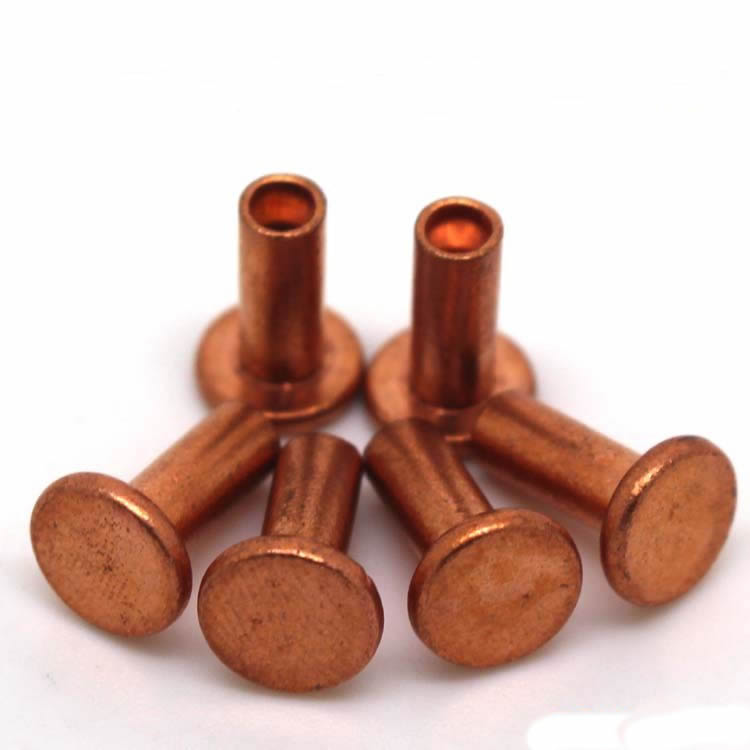
Kupferösen: Aufgrund ihrer hervorragenden elektrischen Leitfähigkeit werden sie häufig zum Verbinden und Befestigen elektronischer Produkte verwendet.

Welche Oberflächenbehandlungen gibt es für Ösen?
Die Ösen sind feuerverzinkt und poliert, um auf der Oberfläche eine Schutzschicht zu bilden, die antistatische, korrosionsbeständige und antiallergene Eigenschaften bietet. Kupferösen sind in verschiedenen Farben erhältlich, darunter Weißnickel, poliertes Zinn, Goldimitat, Antikbronze, Mattnickel, Bronze, Zink und Silber.
Einige Kunden bevorzugen auch eine Pulverbeschichtung des Ösenkopfes, um ihre Farbe an das Gesamtdesign anzupassen und Oxidation zu verhindern.

Produkte
- View as
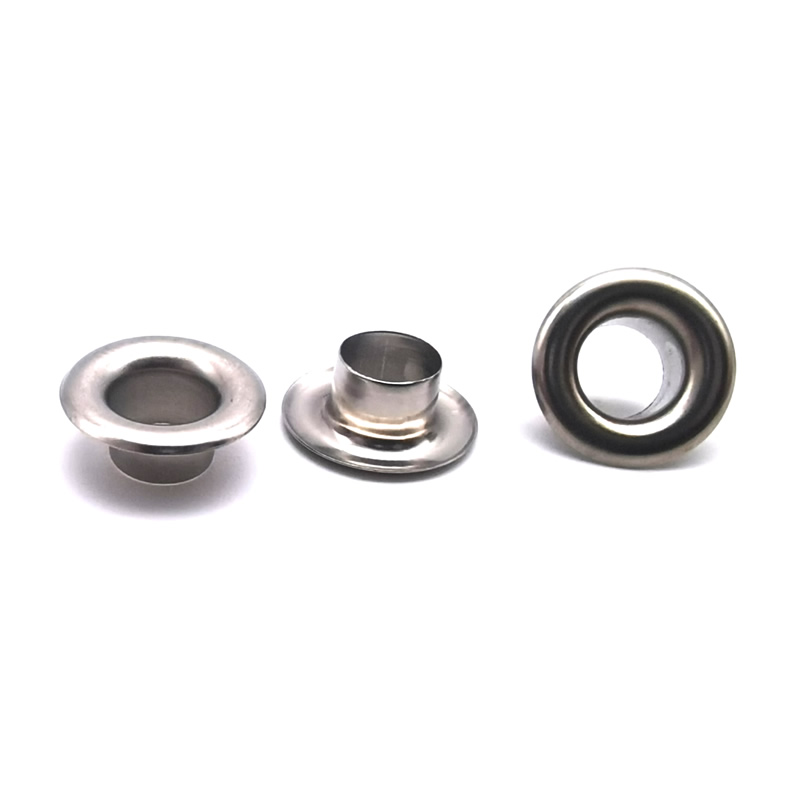
Taschenösen
Bei der Gestaltung einer Handtasche sind oft mehrere Ösengrößen erforderlich. Nuote Metals, eine Fabrik in China, liefert kundenspezifische Taschenösen von 2 mm bis 10 mm aus Messing, Stahl, Edelstahl oder Aluminium mit Nickel-, Zink- oder Antikbeschichtung. Gerollte Ränder schützen die Stoffkanten und die bündige Einfassung sorgt für ein raffiniertes Finish. Kombinieren Sie sie für Riemenlöcher, Belüftung oder dekorative Akzente. Vertrauen Sie unserer Fabrik für gleichbleibende Qualität und maßgeschneiderte Lösungen.
WeiterlesenAnfrage absenden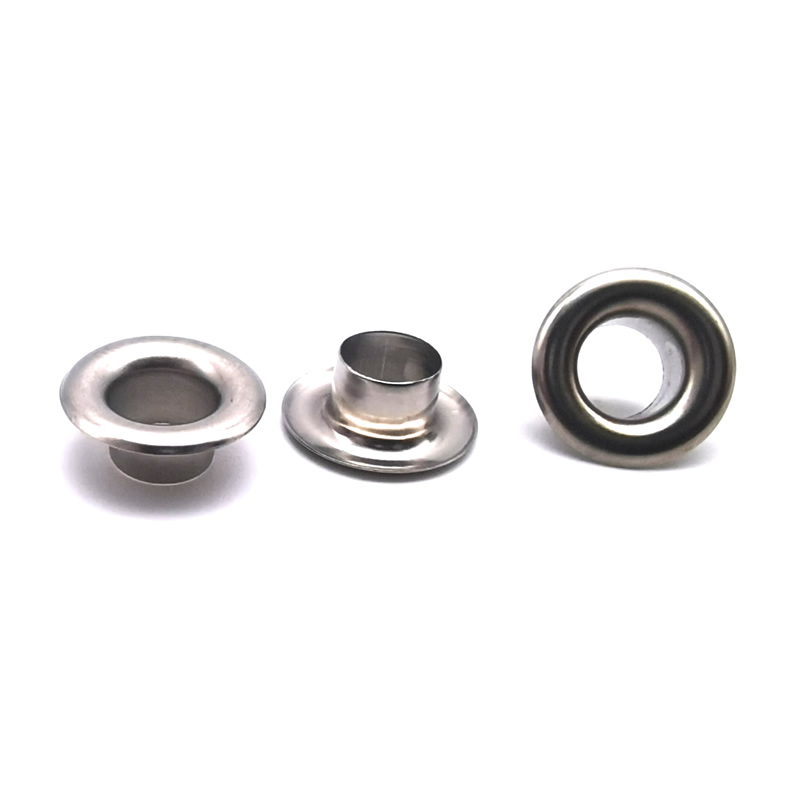
5 mm Messingösen
Größere Löcher für größere Kabel. Unsere Fabrik in China, Nuote Metals, produziert kundenspezifische 5-mm-Messingösen. Perfekt für schwere Arbeitsstiefel, dicke Planen aus Segeltuch und Bootsabdeckungen. Der größere Innendurchmesser nimmt problemlos 6-mm-Seil- oder Lederschnürungen auf, während die Messingkonstruktion rost- und quetschfest ist. Rollkanten schützen den Stoff vor dem Einreißen unter Belastung. Hören Sie auf, dicke Schnüre durch winzige Ösen zu zwängen. Wählen Sie unsere 5-mm-Größe für eine sanftere Schnürung und eine längere Lebensdauer. Vertrauen Sie uns für kundenspezifische Ösen direkt ab Werk.
WeiterlesenAnfrage absenden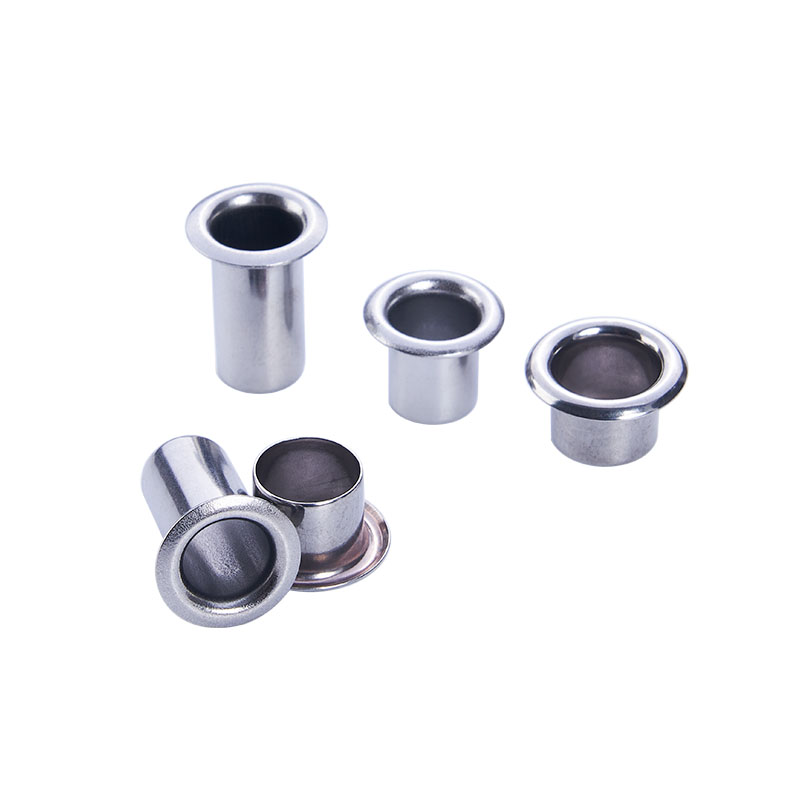
Edelstahlösen für Leinwand
Außen- und Meeresumgebungen erfordern eine korrosionsbeständige Verstärkung. Unsere Fabrik in China, Nuote Metals, produziert kundenspezifische Edelstahlösen für Segeltuch. Stahl der Güteklasse 304 oder 316 widersteht Salznebel, UV-Strahlung und Feuchtigkeit ohne Rostflecken. Der Rollrand schützt die Stoffkanten vor dem Ausfransen unter Spannung. Perfekt für Bootsabdeckungen, LKW-Planen und Markisen. Beheben Sie Verbindungsfehler unter rauen Bedingungen. Vertrauen Sie uns für rostfreie Ösen, die gewöhnliches Messing oder Zink überdauern.
WeiterlesenAnfrage absenden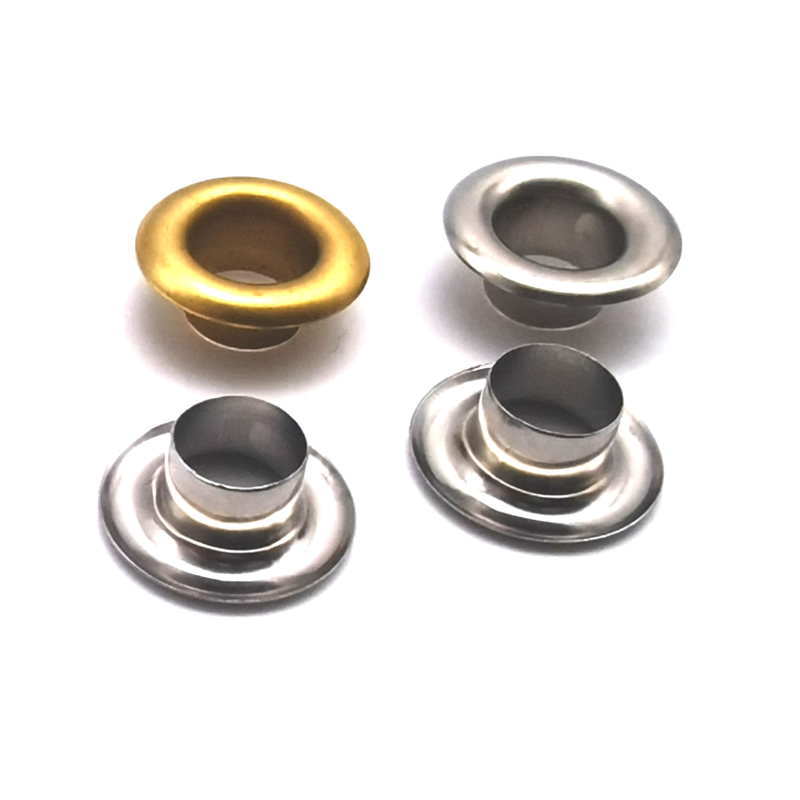
Messingösen für Leinwand
Für strapazierfähige Leinwandanwendungen liefert Nuote Metals aus China maßgeschneiderte Messingösen für eine langlebige Leinwand. Im Gegensatz zu Standardösen ist unsere Messingkonstruktion rostbeständig und hält hohen Zugbelastungen stand, ohne sich zu verformen. Perfekt für Planen, Bootsabdeckungen, Zelte und Outdoor-Banner. Der gerollte Rand schützt die Canvas-Fasern vor dem Ausfransen, während der breitere Flansch die Last gleichmäßig verteilt. Lösen Sie Probleme mit vorzeitigem Ausreißen und Korrosion mit unseren direkt ab Werk hergestellten Messingösen. Vertrauen Sie uns, wenn es um robuste Verstärkung geht, die Witterungseinflüssen und Abnutzung standhält.
WeiterlesenAnfrage absenden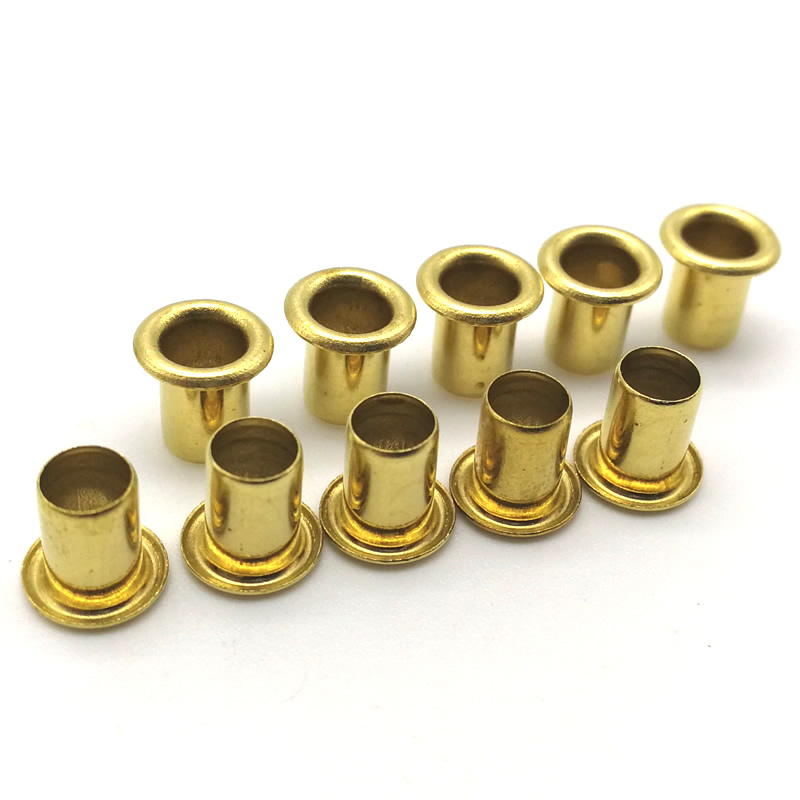
4 mm Messingösen
Nuote Metals aus China bietet maßgeschneiderte 4-mm-Messingösen für schwerere Kordeln, Schnürsenkel und Seile. Perfekt für Kapuzenpullover, Arbeitsstiefel, Planen aus Segeltuch und Outdoor-Ausrüstung. Der größere Innendurchmesser ermöglicht den reibungslosen Durchgang dicker Schnürsenkel, während der gerollte Rand den Stoff vor dem Reißen schützt. Diese rostfreien und glattkantigen Ösen lassen sich leicht anbringen und bleiben sicher. Werten Sie Ihre Projekte mit zuverlässiger Verstärkung auf. Vertrauen Sie uns für Qualität direkt ab Werk und schnellen Versand.
WeiterlesenAnfrage absenden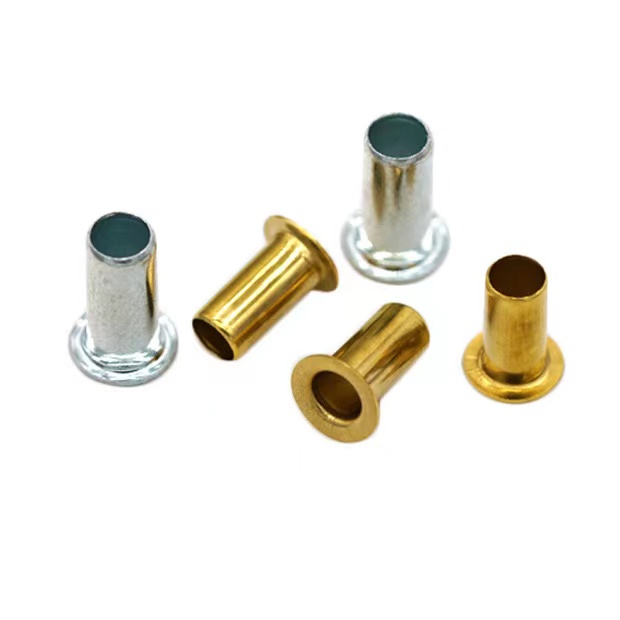
Gestanzte Öse
Benötigen Sie eine zuverlässige gestanzte Öse? In unserer Fabrik in China produziert Nuote Metals individuell gestanzte Ösen für Planen, Banner und Outdoor-Ausrüstung. Das gestanzte Design sorgt für saubere Löcher ohne Stoffverzerrung, erhältlich in Messing, Eisen, Edelstahl oder Aluminium. Perfekt für Heimwerker und Hersteller, die eine schnelle Verstärkung suchen. Beheben Sie Kantenrisse mit Ösen, die sich in Sekundenschnelle installieren lassen. Vertrauen Sie uns für einheitliche Größen und schnelle Lieferung.
WeiterlesenAnfrage absendenWas sind die Hauptanwendungsgebiete für Ösen?
Ösennieten werden häufig in der Bau-, Automobil-, Schifffahrts-, Luftfahrt- und Elektronikindustrie eingesetzt.
In der Bauindustrie werden Ösennieten zur Verbindung verschiedener Metallbauteile, wie zum Beispiel Stahlträger und -stützen, verwendet.
In der Automobil-, Schiffs- und Luftfahrtindustrie werden Ösennieten zum Verbinden verschiedener Materialien wie Aluminiumlegierungen und Titanlegierungen verwendet.
In der Elektronikindustrie werden Ösennieten zum Verbinden verschiedener metallischer und nichtmetallischer Materialien wie Metallplatten und Kunststoffplatten verwendet.
Mit welchen Werkzeugen werden Ösen vernietet?
Ösennieten können sowohl mit einer manuellen als auch mit einer elektrischen Nietzange vernietet werden. Handnietzangen sind ein gängiges Werkzeug und eignen sich grundsätzlich zum Vernieten kleiner Ösen. Elektrische Nietzangen eignen sich zum Vernieten großer Ösen und großer Mengen.
Welche Vorbereitungen sind vor dem Nieten erforderlich?
Zur Vorbereitung vor dem Nieten gehört die Reinigung der Oberfläche des zu vernietenden Materials und die Auswahl des passenden Nietlochdurchmessers. Durch die Reinigung der Oberfläche des zu vernietenden Materials werden oberflächlicher Schmutz und Fett entfernt und so eine sichere Verbindung gewährleistet. Durch die Wahl des richtigen Nietlochdurchmessers kann eine Rissbildung oder Lockerung beim Nieten verhindert werden.
Welche Vorsichtsmaßnahmen sind beim Nieten zu beachten?
1. Die Einbauposition der Ösenniete muss mit der Mittellinie des Nietlochs übereinstimmen.
2. Der Ösenschaft sollte beim Nieten senkrecht zur Oberfläche des zu vernietenden Materials stehen.
3. Der Ösenkopf muss horizontal stabil bleiben.
4. Die Tiefe des Ösenlochs sollte der Summe aus der Länge des Nietschafts und der Länge des Drucknietabschnitts der Öse entsprechen.
5. Die Nietkraft sollte angemessen sein, weder zu hoch noch zu niedrig, abhängig von der Dicke und den Eigenschaften des Materials.
6. Nach dem Nieten sollte die Qualität der Ösen auf Anzeichen gebrochener Ösen oder Fremdkörper überprüft werden.
Abschluss
Ösennieten sind vielseitige Nietbefestigungen, die vielfältig zum Verbinden verschiedener Metallbleche und unterschiedlicher Materialien eingesetzt werden können. Vor dem Nieten ist eine gründliche Vorbereitung erforderlich, einschließlich der Auswahl des geeigneten Nietlochdurchmessers und der Reinigung der Oberfläche des zu nietenden Materials. Beim Nieten sollten Faktoren wie Nietkraft und Lochtiefe sorgfältig berücksichtigt werden, um eine qualitativ hochwertige Verbindung zu gewährleisten.



X
Wir verwenden Cookies, um Ihnen ein besseres Surferlebnis zu bieten, den Website-Verkehr zu analysieren und Inhalte zu personalisieren. Durch die Nutzung dieser Website stimmen Sie der Verwendung von Cookies zu.
Datenschutzrichtlinie