Ösen
Produkte
- View as
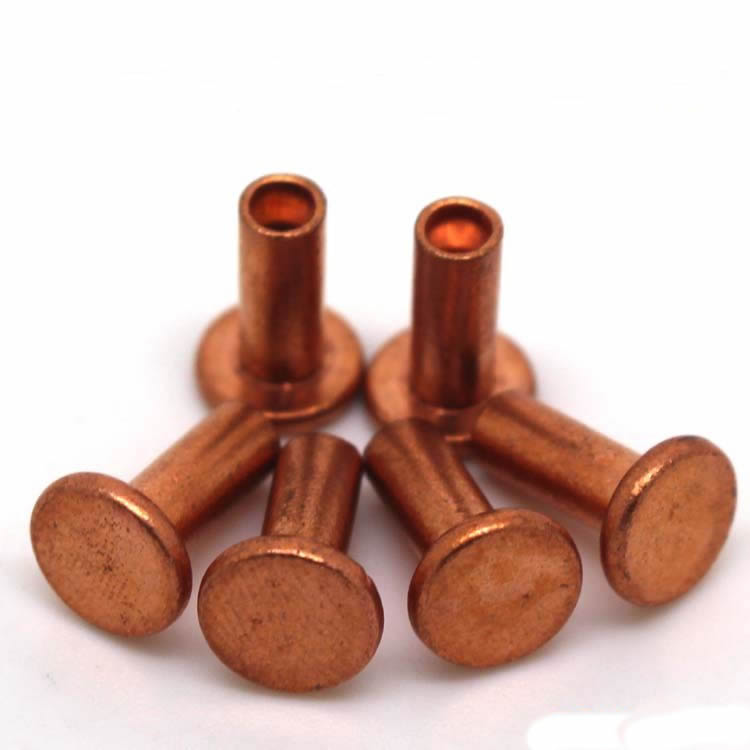
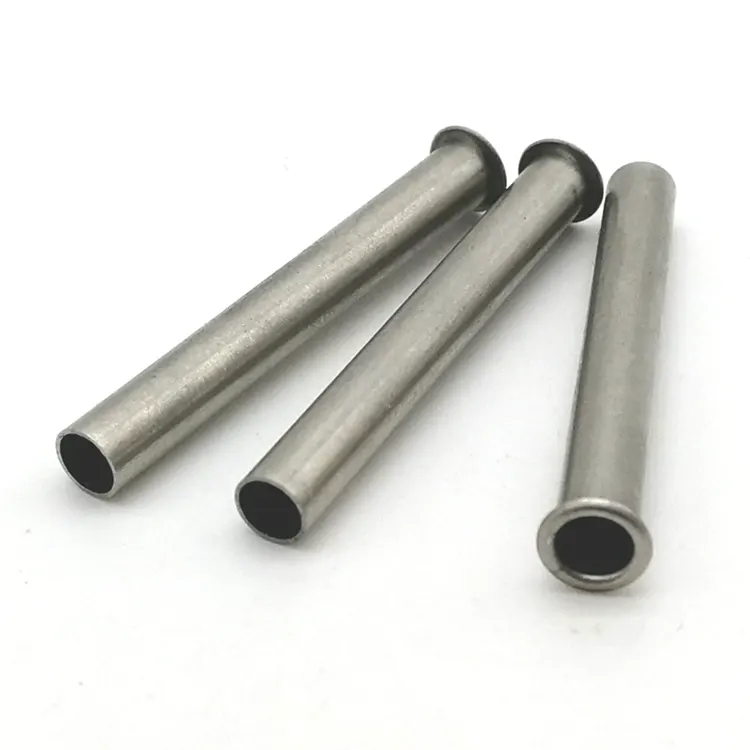
SS-Ösen
Wir sind Nuote Metals aus Dongguan. Unsere Fabrik stellt täglich robuste Edelstahl-Ösen her. SS bedeutet Edelstahl. Diese Edelstahlösen rosten nicht so leicht. Für ihre Herstellung verwenden wir guten Edelstahl. Unsere Edelstahl-Ösen sind in verschiedenen Größen erhältlich. Einige sind klein für leichte Gegenstände. Einige sind groß für den intensiven Gebrauch. Jede SS-Öse wird von unserem Team überprüft. Sie achten auf das Finish und die Form. Viele Kunden entscheiden sich für unsere Edelstahl-Ösen. Ihnen gefällt, dass sie lange halten und glänzend bleiben. Für neue Bestellungen können wir schnell Muster anfertigen.
WeiterlesenAnfrage absenden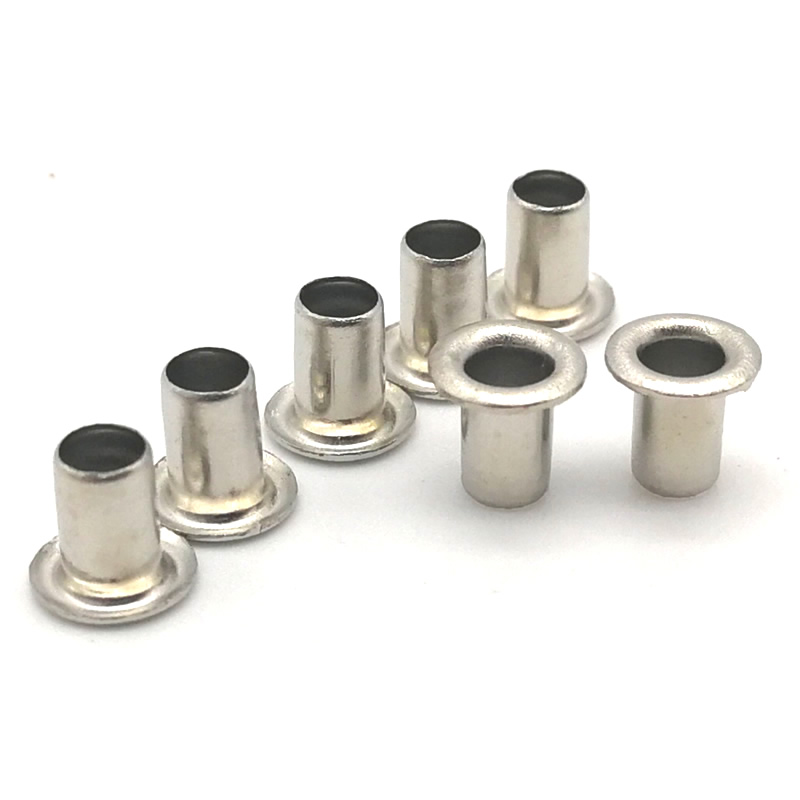
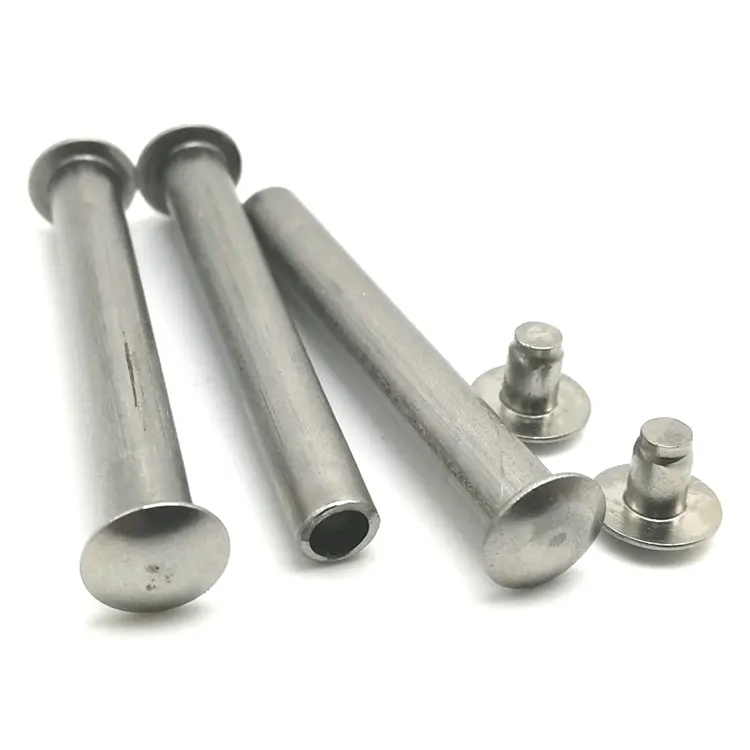
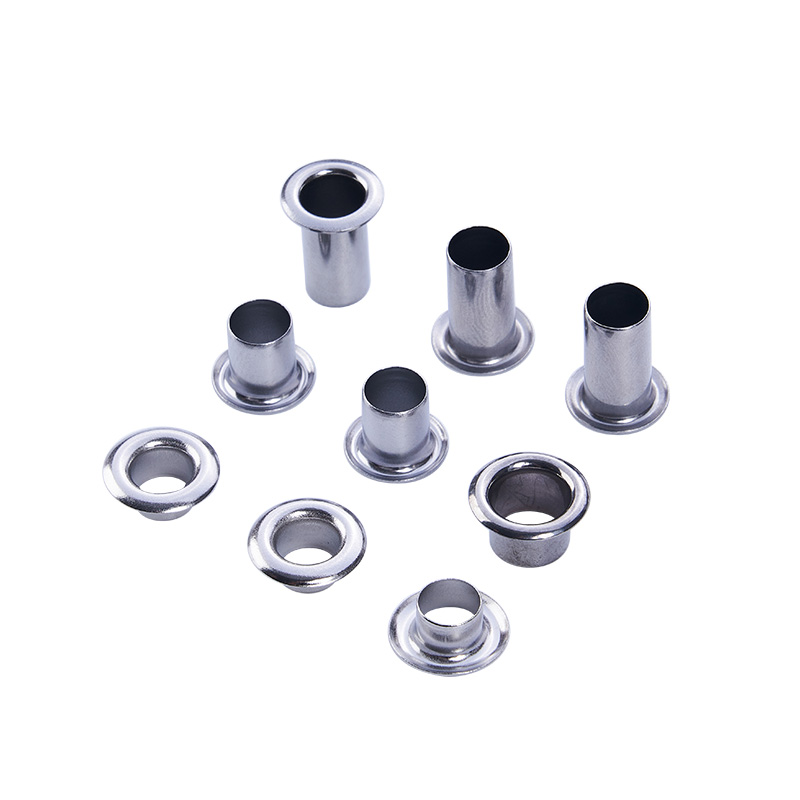
Öse aus Stahl
Wir sind Nuote Metals mit Sitz in Dongguan. Unsere Fabrik ist auf die Herstellung von Ösenstahl spezialisiert. Wir arbeiten seit vielen Jahren mit Ösenstahl. Diese Art von Stahl ist robust und leicht zu formen. Wir verarbeiten Stahl zu dünnen Blechen oder Coils. Dann schneiden und formen wir daraus Ösen. Unser Ösenstahl ist sauber und glatt. Es hat keine Ecken und Kanten. Aus diesem Ösenstahl fertigen wir viele Größen. Jedes Stück wird auf Qualität geprüft. Viele Kunden kaufen unsere Ösenstahlprodukte. Sie vertrauen auf die Stärke und das Finish. Für Sonderbestellungen können wir auch Ösenstahl individuell anpassen.
WeiterlesenAnfrage absenden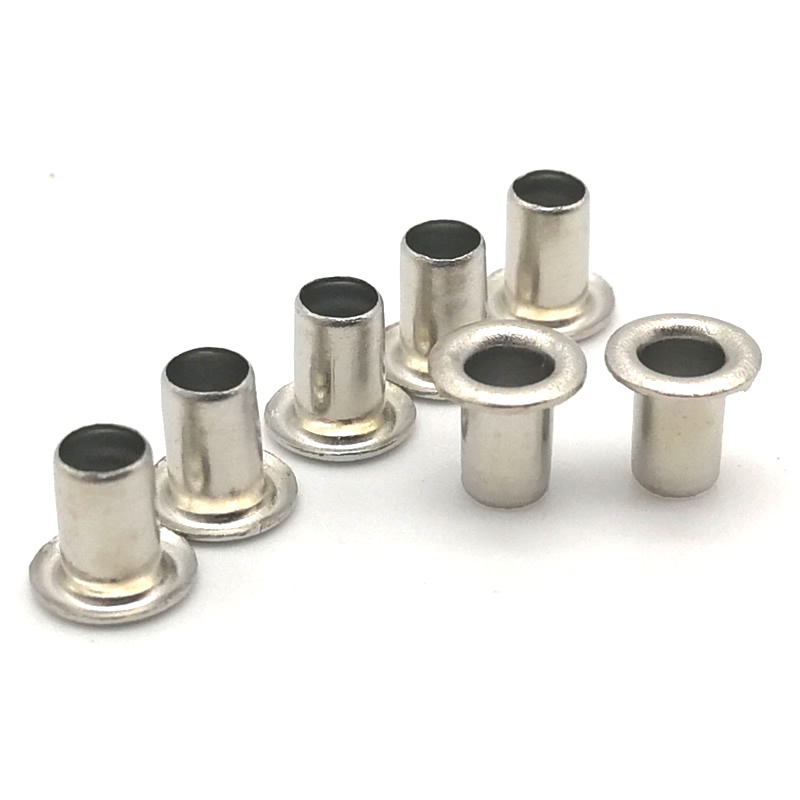
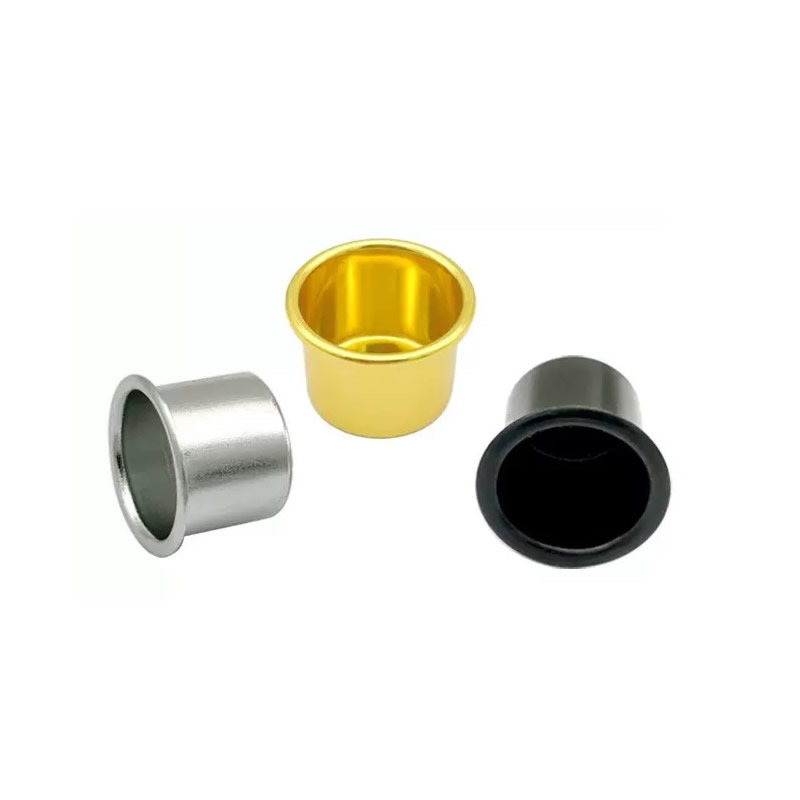
Stahltülle
Hallo aus Dongguan, China. Wir sind Nuote Metals. Wir stellen hier starke Stahltüllen her. Unsere Fabrik produziert täglich Stahltüllen. Wir verwenden gutes Stahlmaterial. Dieser Stahl ist dick und langlebig. Wir fertigen Stahltüllen in vielen Größen. Einige sind klein. Einige sind sehr groß. Jede Stahltülle wird von unserem Team überprüft. Sie schauen sich jedes Stück genau an. Viele Kunden kaufen unsere Stahltüllen immer wieder. Sie mögen unsere Qualität. Sie vertrauen unseren Produkten. Wir arbeiten hart daran, für jeden gute Stahltüllen herzustellen.
WeiterlesenAnfrage absenden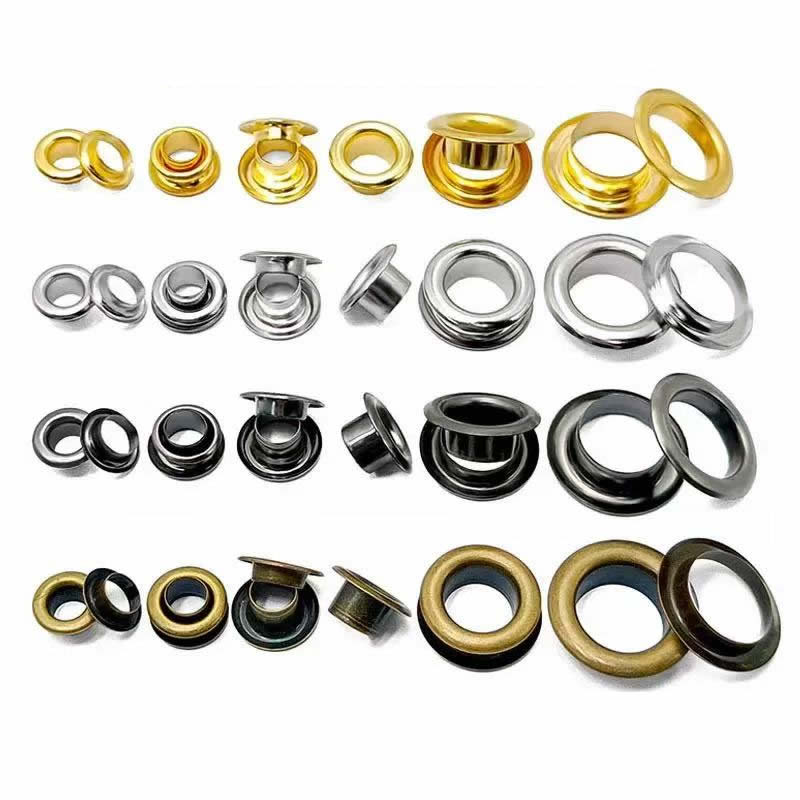
Bannerösen
Wir sind Nuote Metals aus Dongguan, China. Wir fertigen Bannerösen für Werbebanner. Unsere Fabrik produziert seit vielen Jahren Bannerösen. Für die Herstellung unserer Bannerösen verwenden wir starke Materialien. Messing und Stahl sind unsere Hauptmaterialien. Wir fertigen Bannerösen in verschiedenen Ausführungen Größen. Kleine Banner verwenden kleine Bannerösen. Große Banner brauchen große Bannerösen. Jeder Die Banneröse wird vor dem Versand von unseren Mitarbeitern überprüft. Sie stellen sicher, dass jedes Stück perfekt ist. Viele Werbefirmen nutzen unsere Bannerösen. Sie schätzen unsere Qualität und den guten Preis. Für Neukunden können wir schnell Muster anfertigen.
WeiterlesenAnfrage absenden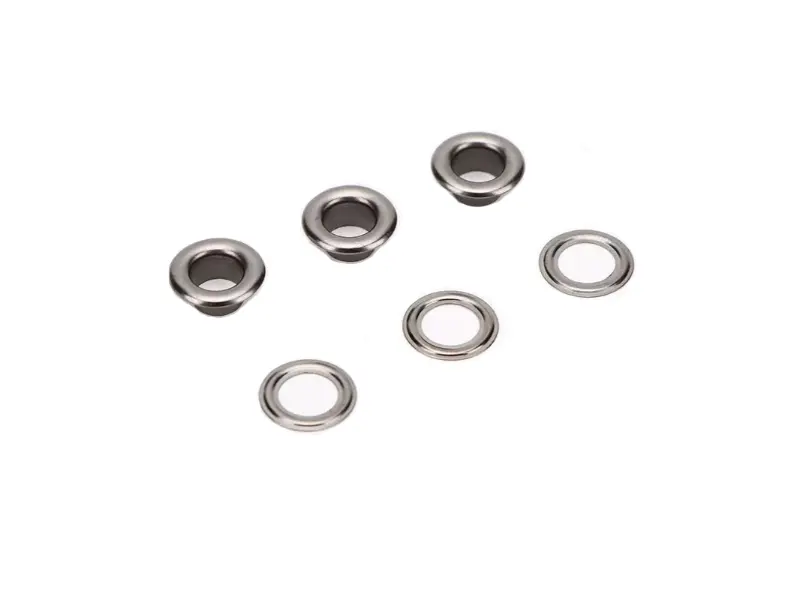
Stiefelösen
Hier bei Nuote Metals in Dongguan stellen wir jeden Tag Stiefelösen her. Ösen sind die starken Metallringe, die man an Stiefeln sieht. Die Schnürsenkel gehen durch sie hindurch. Wir fertigen unsere Stiefelösen aus robusten Materialien. Sie müssen lange halten. Wir produzieren sie in verschiedenen Größen und Ausführungen. Manche sind glänzend, manche matt. Alle sind auf Langlebigkeit ausgelegt.
WeiterlesenAnfrage absenden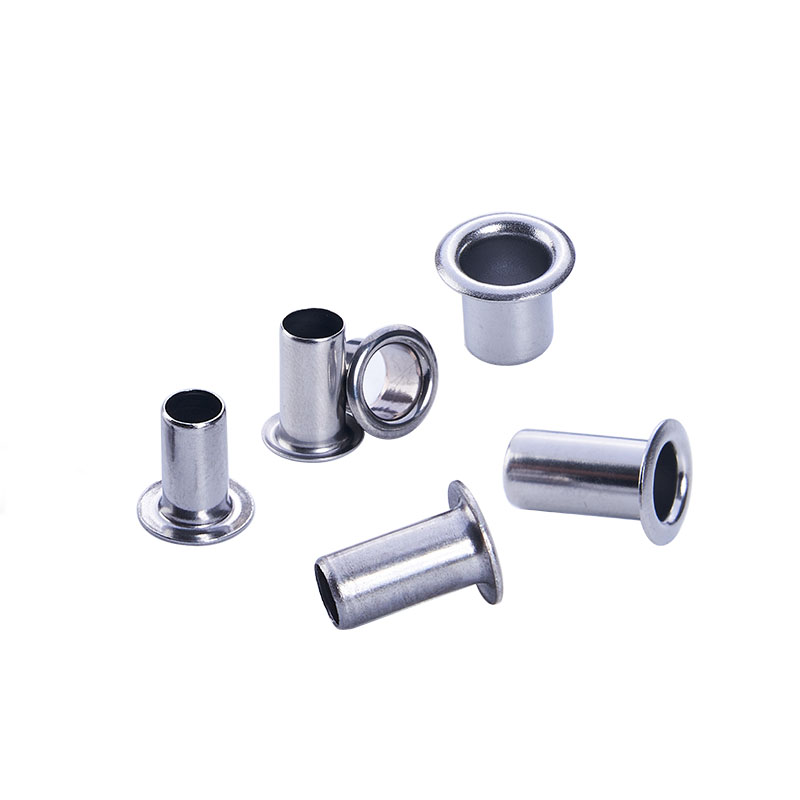
Ösen aus Edelstahl 316
In unserem Werk in Dongguan stellt Nuote Metals langlebige Ösen aus Edelstahl 316 her. Das Besondere an diesem Material ist, dass es Rost sehr gut widersteht. Wir produzieren seit vielen Jahren Ösen aus Edelstahl 316. Diese Ösen sind stark und können lange halten. Wir fertigen sie in verschiedenen Größen. Einige sind für empfindliche Produkte klein. Einige sind groß für den harten Einsatz. Jede Öse aus Edelstahl 316 wird von unserem Team überprüft. Sie sorgen dafür, dass jedes Stück glatt und sauber ist. Viele Kunden entscheiden sich für unsere Ösen aus Edelstahl 316. Sie vertrauen auf Qualität und Langlebigkeit. Wir können Muster innerhalb weniger Tage bereitstellen.
WeiterlesenAnfrage absendenWas sind die Hauptanwendungsgebiete für Ösen?
Ösennieten werden häufig in der Bau-, Automobil-, Schifffahrts-, Luftfahrt- und Elektronikindustrie eingesetzt.
In der Bauindustrie werden Ösennieten zur Verbindung verschiedener Metallbauteile, wie zum Beispiel Stahlträger und -stützen, verwendet.
In der Automobil-, Schiffs- und Luftfahrtindustrie werden Ösennieten zum Verbinden verschiedener Materialien wie Aluminiumlegierungen und Titanlegierungen verwendet.
In der Elektronikindustrie werden Ösennieten zum Verbinden verschiedener metallischer und nichtmetallischer Materialien wie Metallplatten und Kunststoffplatten verwendet.
Mit welchen Werkzeugen werden Ösen vernietet?
Ösennieten können sowohl mit einer manuellen als auch mit einer elektrischen Nietzange vernietet werden. Handnietzangen sind ein gängiges Werkzeug und eignen sich grundsätzlich zum Vernieten kleiner Ösen. Elektrische Nietzangen eignen sich zum Vernieten großer Ösen und großer Mengen.
Welche Vorbereitungen sind vor dem Nieten erforderlich?
Zur Vorbereitung vor dem Nieten gehört die Reinigung der Oberfläche des zu vernietenden Materials und die Auswahl des passenden Nietlochdurchmessers. Durch die Reinigung der Oberfläche des zu vernietenden Materials werden oberflächlicher Schmutz und Fett entfernt und so eine sichere Verbindung gewährleistet. Durch die Wahl des richtigen Nietlochdurchmessers kann eine Rissbildung oder Lockerung beim Nieten verhindert werden.
Welche Vorsichtsmaßnahmen sind beim Nieten zu beachten?
1. Die Einbauposition der Ösenniete muss mit der Mittellinie des Nietlochs übereinstimmen.
2. Der Ösenschaft sollte beim Nieten senkrecht zur Oberfläche des zu vernietenden Materials stehen.
3. Der Ösenkopf muss horizontal stabil bleiben.
4. Die Tiefe des Ösenlochs sollte der Summe aus der Länge des Nietschafts und der Länge des Drucknietabschnitts der Öse entsprechen.
5. Die Nietkraft sollte angemessen sein, weder zu hoch noch zu niedrig, abhängig von der Dicke und den Eigenschaften des Materials.
6. Nach dem Nieten sollte die Qualität der Ösen auf Anzeichen gebrochener Ösen oder Fremdkörper überprüft werden.
Abschluss
Ösennieten sind vielseitige Nietbefestigungen, die vielfältig zum Verbinden verschiedener Metallbleche und unterschiedlicher Materialien eingesetzt werden können. Vor dem Nieten ist eine gründliche Vorbereitung erforderlich, einschließlich der Auswahl des geeigneten Nietlochdurchmessers und der Reinigung der Oberfläche des zu nietenden Materials. Beim Nieten sollten Faktoren wie Nietkraft und Lochtiefe sorgfältig berücksichtigt werden, um eine qualitativ hochwertige Verbindung zu gewährleisten.



X
Wir verwenden Cookies, um Ihnen ein besseres Surferlebnis zu bieten, den Website-Verkehr zu analysieren und Inhalte zu personalisieren. Durch die Nutzung dieser Website stimmen Sie der Verwendung von Cookies zu.
Datenschutzrichtlinie