Spezielle Nieten
Produkte
- View as
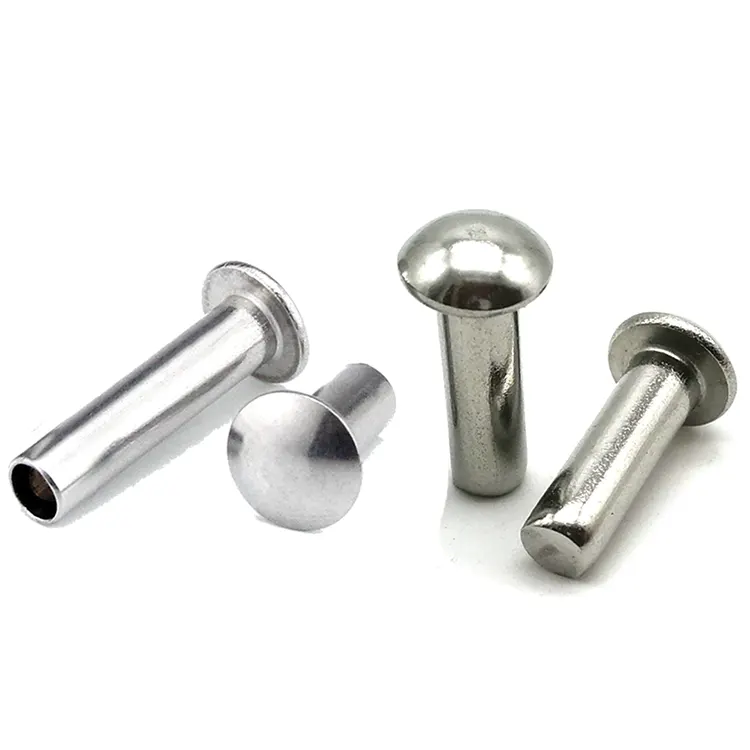
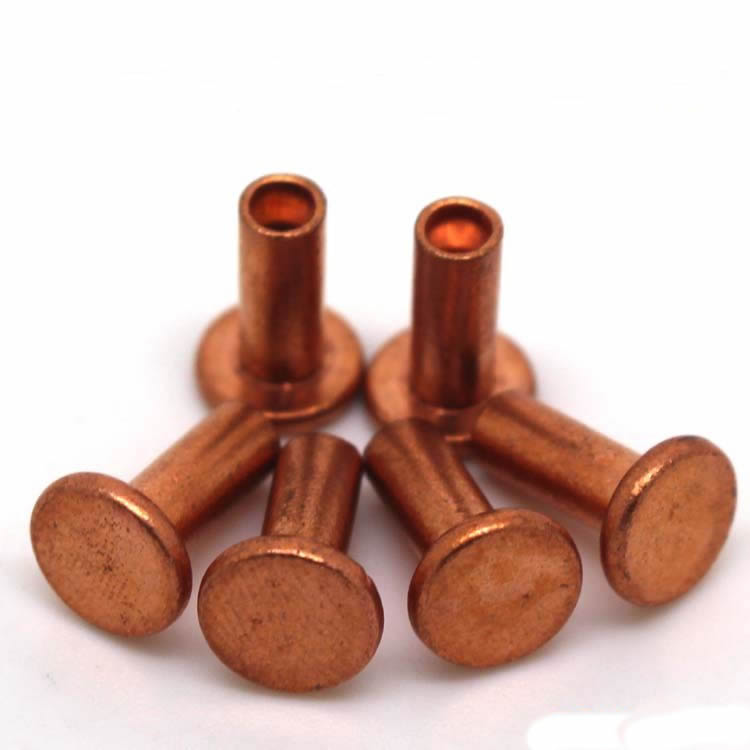
Rundkopfnieten
Nuote Metals stellt Rundkopfnieten in Voll-, Halbrohr- und Vollrohrausführung her – die bekannteste und vertrauenswürdigste Nietkopfart im industriellen Befestigungsbereich. Erhältlich mit Schaftdurchmessern von 1,5–8,0 mm, fünf Materialfamilien und kundenspezifischen Längen. ISO-zertifizierte Qualität, vollständige Rückverfolgbarkeit und kostenlose Muster verfügbar – kontaktieren Sie uns, um loszulegen.
WeiterlesenAnfrage absenden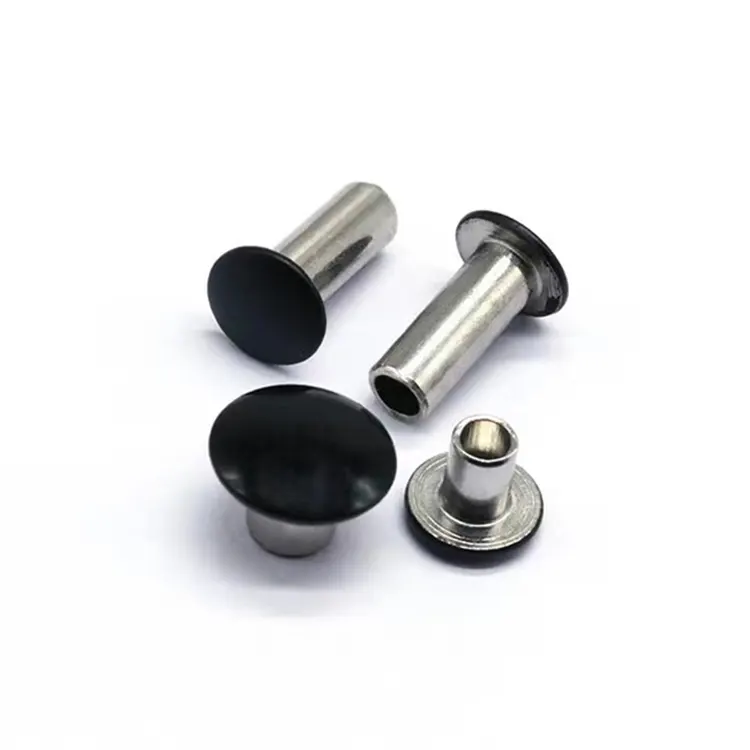
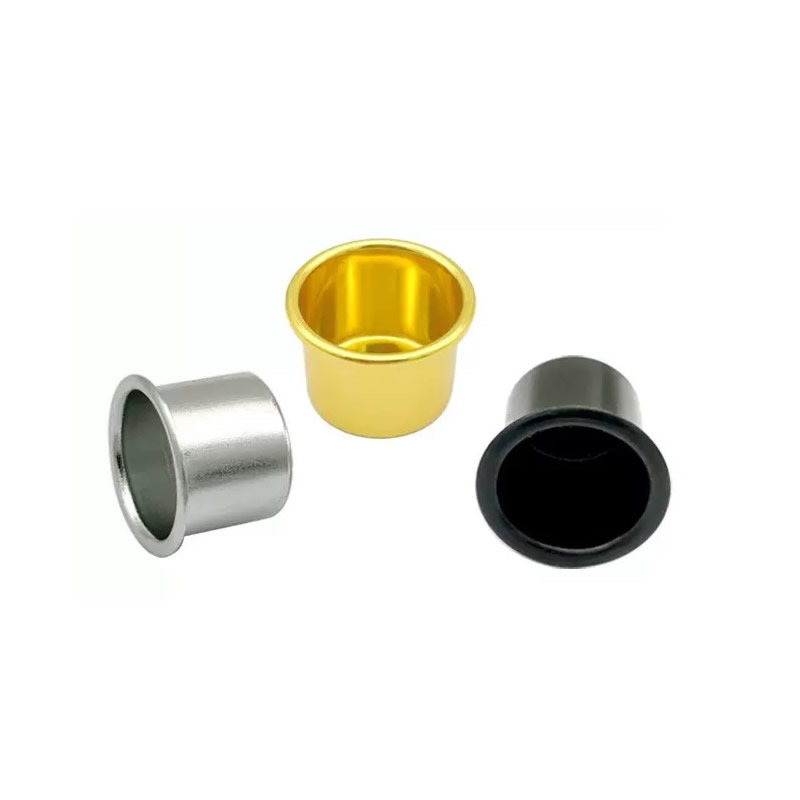
Pulverbeschichtete Nieten
Farbige Nieten, auch pulverbeschichtete Nieten genannt, werden durch ein Hochtemperatur-Spritzlackierungsverfahren mit einer Pulverbeschichtung auf dem Nietenkopf beschichtet. Die Farbe wird gleichmäßig getrocknet, um ein lichtechtes Finish zu gewährleisten. Diese Art von Nieten erfordert ein hohes Maß an Geschick beim Einbrennlackieren und einer präzisen Farbabstimmung. Nach dem Nieten entsteht eine gleichmäßige und schöne Farbe, die ihre dekorative Wirkung voll entfaltet.
WeiterlesenAnfrage absenden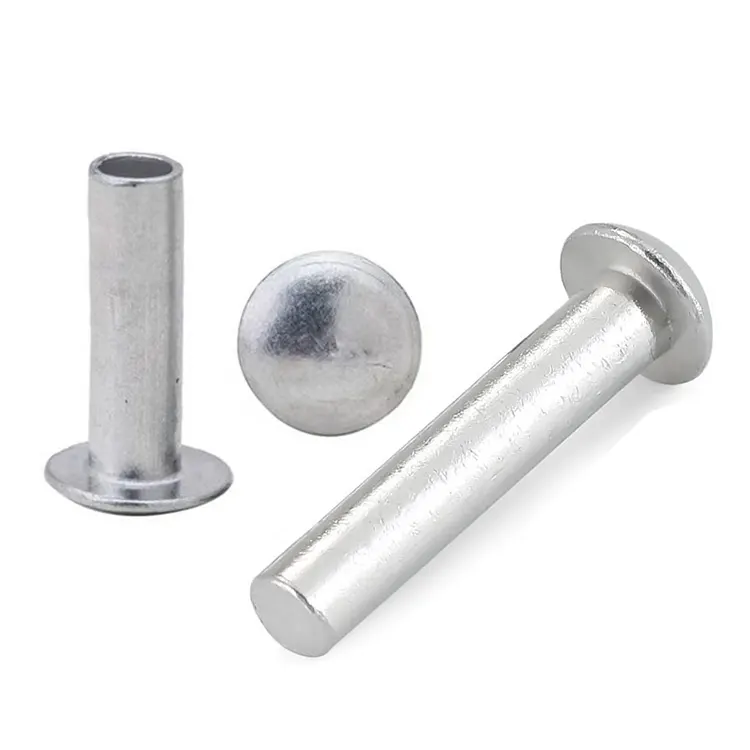
Flachkopfnieten
Nuote Metals stellt Flachkopfnieten in Voll- und Halbrohrausführung her – mit einer mittelhohen Kuppel und einer kurzen geraden Seitenwand, die mehr Auflagefläche als ein Rundkopf und eine größere Kopfhöhe als ein Flachkopf bietet. Erhältlich mit Schaftdurchmessern von 1,5–8,0 mm, fünf Materialfamilien und kundenspezifischen Längen. ISO-zertifizierte Qualität, vollständige Rückverfolgbarkeit und kostenlose Muster verfügbar – kontaktieren Sie uns, um loszulegen.
WeiterlesenAnfrage absenden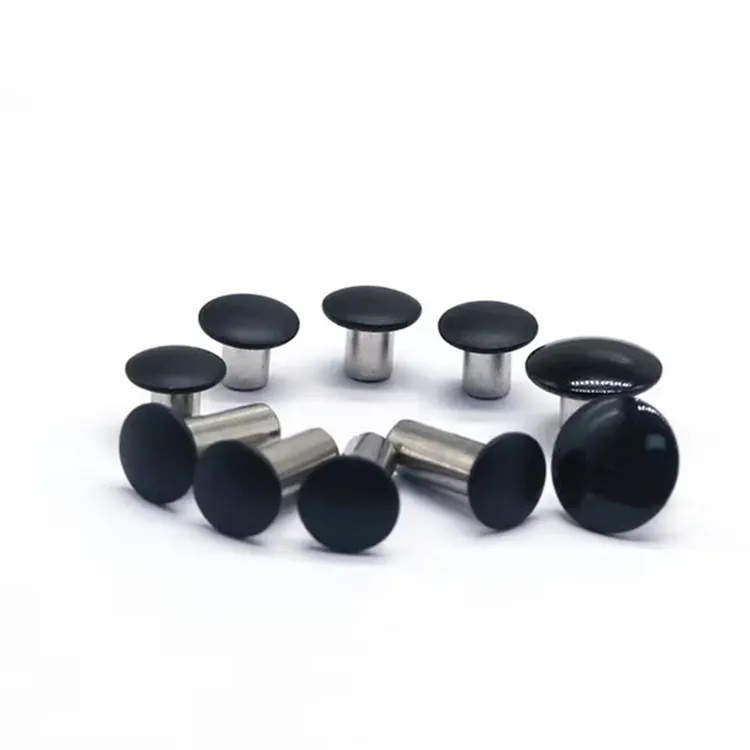
Bemalte Nieten
Lackierte Nieten mit lackiertem Kopf sind sehr korrosionsbeständig. Die Farbschicht, typischerweise 15–25 Mikrometer dick, isoliert sie wirksam vor Feuchtigkeit und Chemikalien. Salzsprühtests zeigen, dass lackierte Nieten über 500 Stunden lang rostbeständig sind, dreimal länger als unbeschichtete Nieten. Nuote Metals ist auf diese Art von Nieten spezialisiert und hat seinen Sitz in Dongguan, China.
WeiterlesenAnfrage absenden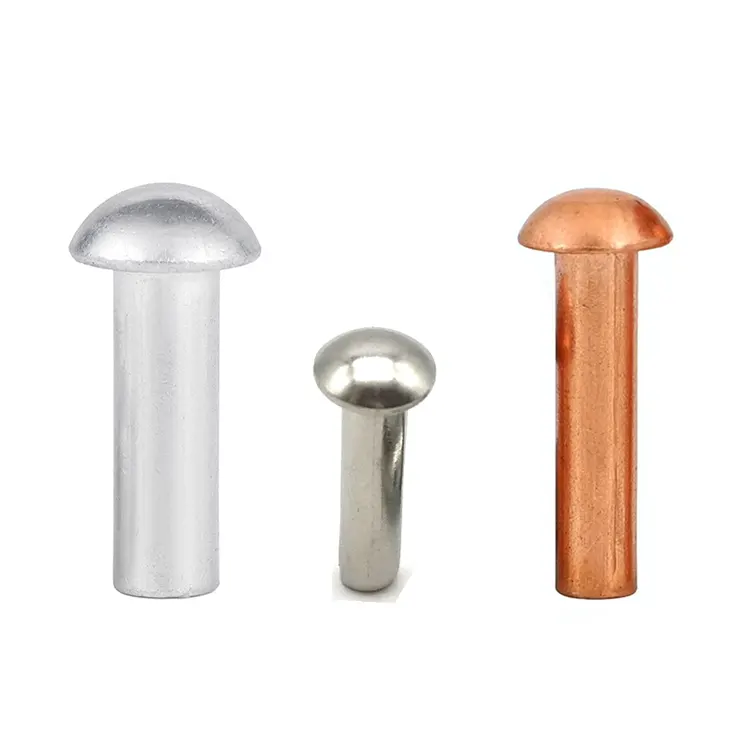
Pilzkopfnieten
Nuote Metals ist ein in China ansässiger Hersteller von Pilzkopfnieten in Voll- und Halbrohrausführung – mit einer breiten, leicht abgerundeten Kuppel, die die Last gleichmäßig verteilt, ohne in weiche Materialien zu schneiden. Erhältlich mit Schaftdurchmessern von 1,5–8,0 mm, fünf Materialfamilien und kundenspezifischen Längen. ISO-zertifizierte Qualität, vollständige Rückverfolgbarkeit und kostenlose Muster verfügbar – kontaktieren Sie uns, um loszulegen.
WeiterlesenAnfrage absenden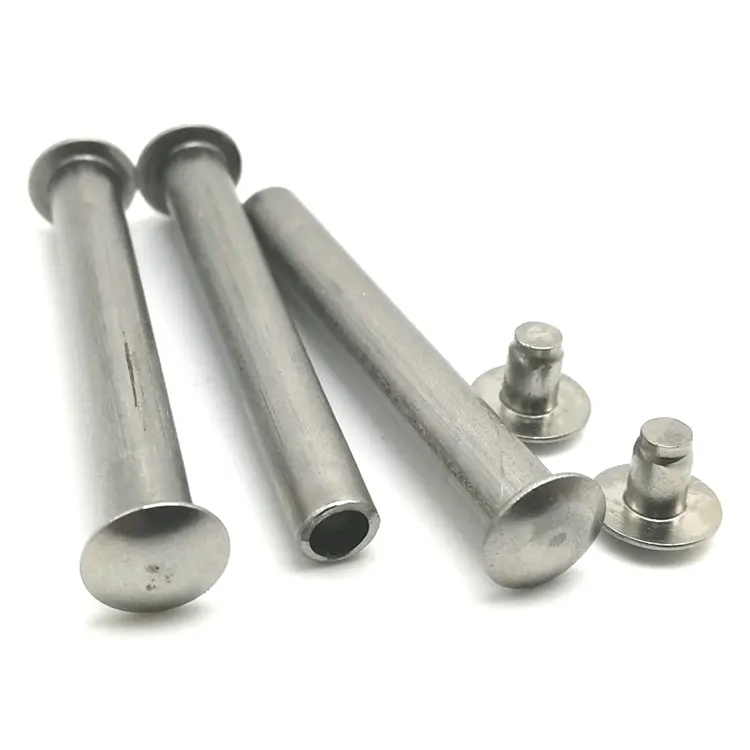
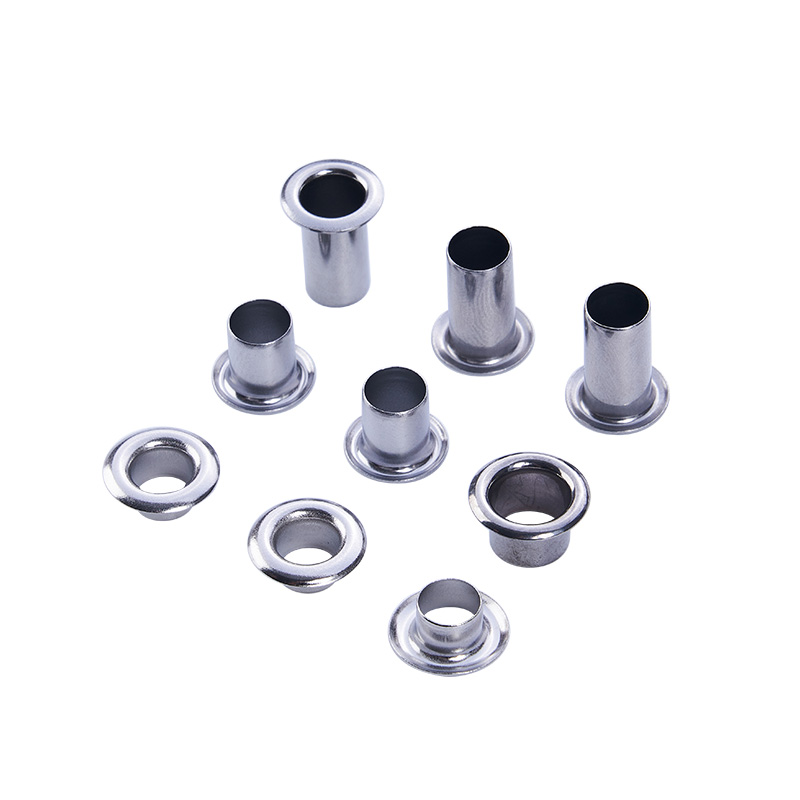
Männlich-weibliche Nieten
Nuote Metals ist ein spezialisierter Hersteller von Außennieten in China. Die Vorteile von Außennieten sind die einfache Installation und die niedrigen Kosten. Im Vergleich zu anderen Verbindungsmethoden wie Schweißen oder Kleben erfordern männlich-weibliche Nieten keine besonderen Fähigkeiten oder lange Aushärtezeiten. Allerdings sind auch ihre Nachteile erheblich: Die Verbindungsstärke ist begrenzt und daher für Umgebungen mit hoher Intensität oder starken Vibrationen ungeeignet. Nach längerem Gebrauch können sie sich lösen und müssen regelmäßig überprüft werden.
WeiterlesenAnfrage absendenHerstellungsprozess von Spezialnieten
Bei der Herstellung von Spezialnieten sind mehrere Verbindungen erforderlich, darunter vor allem:
1.Materialauswahl:Wählen Sie je nach Einsatzumgebung geeignete Metall- oder Legierungsmaterialien aus.
2.Kaltüberschrift oder Heißüberschrift:Durch Druckbearbeitung wird die Grundform der Niete in den Metallrohling geformt.
3.Drehen oder Fräsen:Bearbeiten Sie die Details wie den Kopf und den Schaft der Niete sorgfältig, um die Maßhaltigkeit sicherzustellen.
4.Oberflächenbehandlung:Zum Beispiel Verzinken, Vernickeln, Eloxieren usw. zur Verbesserung der Korrosionsbeständigkeit oder Ästhetik.
Vorteile und Grenzen von Spezialnieten
(1) Vorteile: Sie können spezielle Anforderungen erfüllen, die Montageeffizienz und Verbindungszuverlässigkeit verbessern und eignen sich für komplexe oder anspruchsvolle Anwendungsszenarien.
(2) Einschränkungen: Da es sich um kundenspezifische Produkte handelt, sind die Produktionskosten hoch, der Lieferzyklus relativ lang und die Kunden müssen detaillierte technische Parameter angeben.
Wie wählt man geeignete Spezialnieten aus?
(1)Klären Sie die Bedürfnisse:Bestimmen Sie die wichtigsten Parameter wie die Betriebsumgebung des Niets, die Belastungsbedingungen und die Anforderungen an die Korrosionsbeständigkeit.
(2)Materialabstimmung:Wählen Sie das geeignete Material basierend auf den tatsächlichen Anforderungen aus, um eine Überkonstruktion zu vermeiden, die zu höheren Kosten führt.
(3)Kommunizieren Sie mit Lieferanten:Stellen Sie detaillierte technische Zeichnungen oder Muster zur Verfügung, um sicherzustellen, dass die hergestellten Spezialnieten den Erwartungen entsprechen.
Was sind die Hauptanwendungsgebiete von Spezialnieten?
(1)Luft- und Raumfahrt: Flugzeuge, Raketen und andere Ausrüstungsgegenstände stellen extrem hohe Anforderungen an das Gewicht, die Festigkeit und die Hochtemperaturbeständigkeit von Verbindungselementen. Spezielle Nieten können je nach Bedarf optimiert werden.
(2)Automobilbau:Bestimmte Sondermodelle oder Hochleistungsfahrzeuge erfordern möglicherweise Spezialnieten, um den Anforderungen leichter oder hochfester Verbindungen gerecht zu werden.
(3)Elektronische Geräte:Präzisionsinstrumente oder kleine elektronische Geräte erfordern möglicherweise Mikro-Spezialnieten, um die Stabilität und Kompaktheit der Verbindung zu gewährleisten.
(4)Baubranche:Bei einigen speziell strukturierten Gebäuden oder Dekorationsprojekten werden möglicherweise spezielle Nieten verwendet, um bestimmte Installationsanforderungen zu erfüllen.
Marktstatus von Spezialnieten
Mit der Weiterentwicklung der Industrietechnologie haben immer mehr Branchen begonnen, Spezialnieten zur Optimierung des Produktdesigns einzusetzen. Derzeit konzentrieren sich Spezialnietenhersteller hauptsächlich auf die Regionen Jangtse-Delta und Perlflussdelta in China und können eine Vielzahl maßgeschneiderter Dienstleistungen anbieten. Aufgrund des hohen Stückpreises von Spezialnieten ist die Marktgröße relativ klein, aber die Nachfrage im High-End-Fertigungsbereich wächst weiter.
Zukünftige Entwicklungstrends
(1)Leichtes Design: Mit der Verbesserung der Energiespar- und Umweltschutzanforderungen werden Spezialnieten aus leichten Materialien immer beliebter.
(2)Intelligente Produktion: Automatisierte Anlagen und digitales Management werden die Produktionseffizienz und Qualitätsstabilität von Spezialnieten weiter verbessern.
(3)Breitere Anwendung: Aufstrebende Industrien wie neue Energien und Robotik könnten das Wachstum der Nachfrage nach Spezialnieten vorantreiben.
Zusammenfassend lässt sich sagen, dass es sich bei Spezialnieten um hochgradig kundenspezifische Verbindungselemente handelt, die spezielle Anforderungen erfüllen können, die Standardnieten nicht erfüllen können. Obwohl die Produktionskosten relativ hoch sind, spielt es in Branchen wie Luft- und Raumfahrt, Automobil und Elektronik eine unersetzliche Rolle. Mit der Weiterentwicklung der Fertigungstechnologie wird erwartet, dass sich der Anwendungsbereich von Spezialnieten in Zukunft weiter erweitern wird.



X
Wir verwenden Cookies, um Ihnen ein besseres Surferlebnis zu bieten, den Website-Verkehr zu analysieren und Inhalte zu personalisieren. Durch die Nutzung dieser Website stimmen Sie der Verwendung von Cookies zu.
Datenschutzrichtlinie