Spezielle Nieten
Produkte
- View as
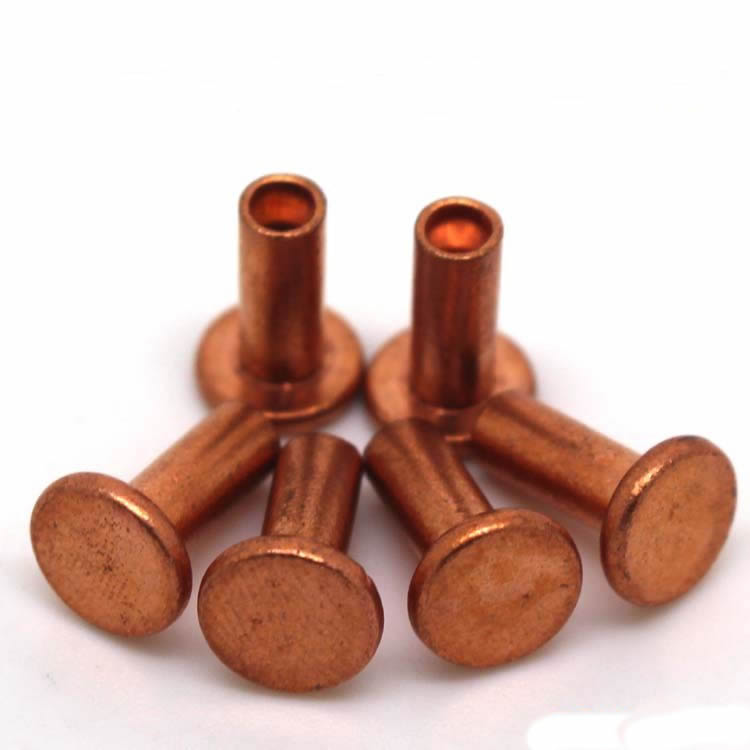
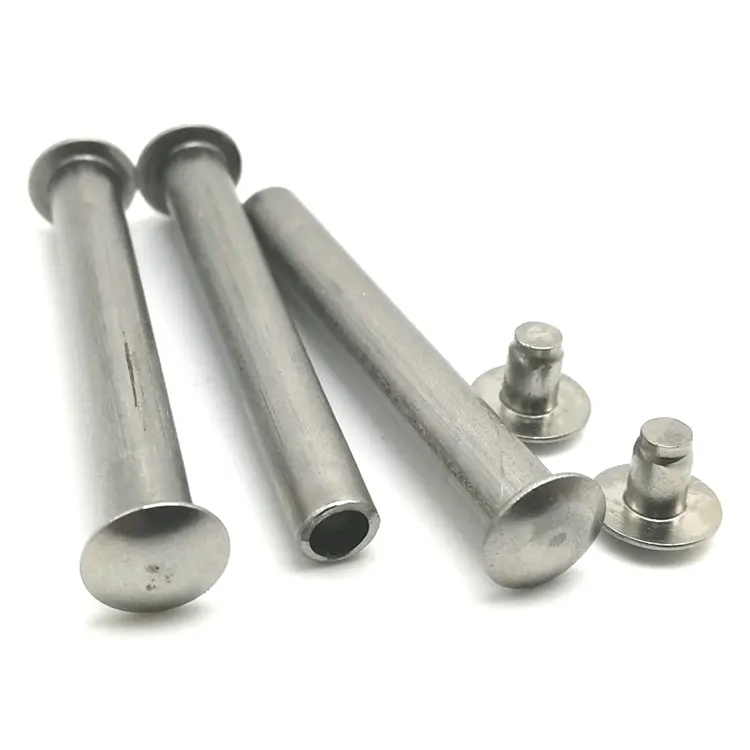
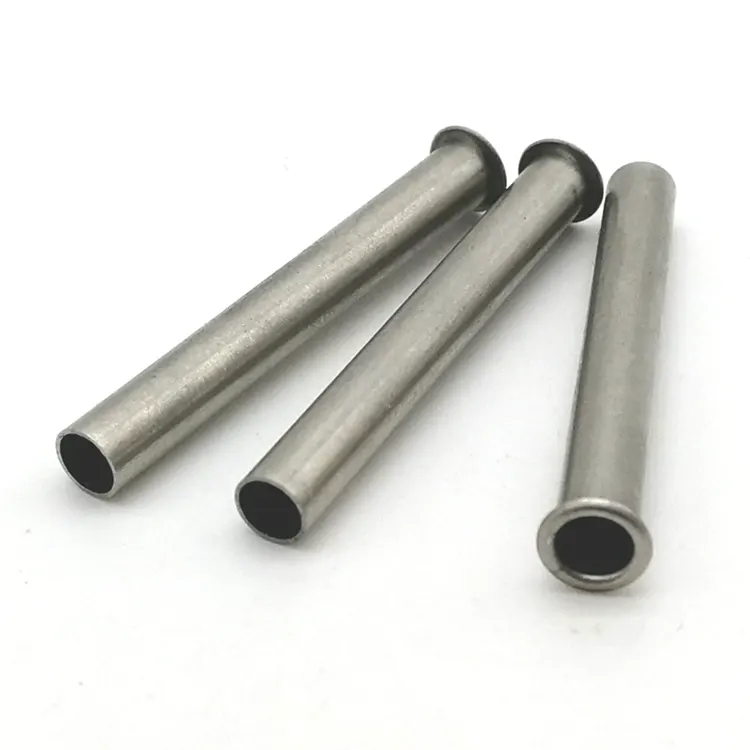
Flachkopfnieten aus Edelstahl
Nuote Metals ist ein vertrauenswürdiger Nietenhersteller in China, der Nieten aus einer Vielzahl von Materialien herstellt, darunter Messing, Eisen, Aluminium, Edelstahl und Kupfer. Flachkopfnieten aus Edelstahl sind aufgrund ihrer hervorragenden Befestigungseigenschaften, der hervorragenden Korrosionsbeständigkeit, der vielfältigen Spezifikationen und des breiten Anwendungsspektrums eine ideale Wahl für zahlreiche Branchen. Ob in der industriellen Fertigung, in der Architekturdekoration, im Automobilbau oder im Heimwerkerbereich: Edelstahl-Flachkopfnieten bieten eine zuverlässige Verbindungslösung und verleihen jedem Projekt eine zusätzliche Sicherheitsebene.
WeiterlesenAnfrage absenden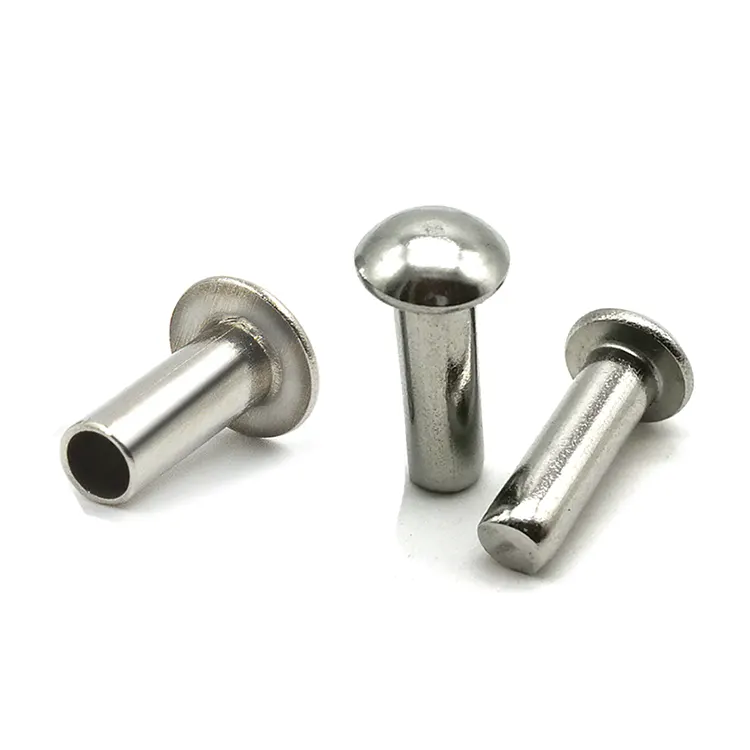
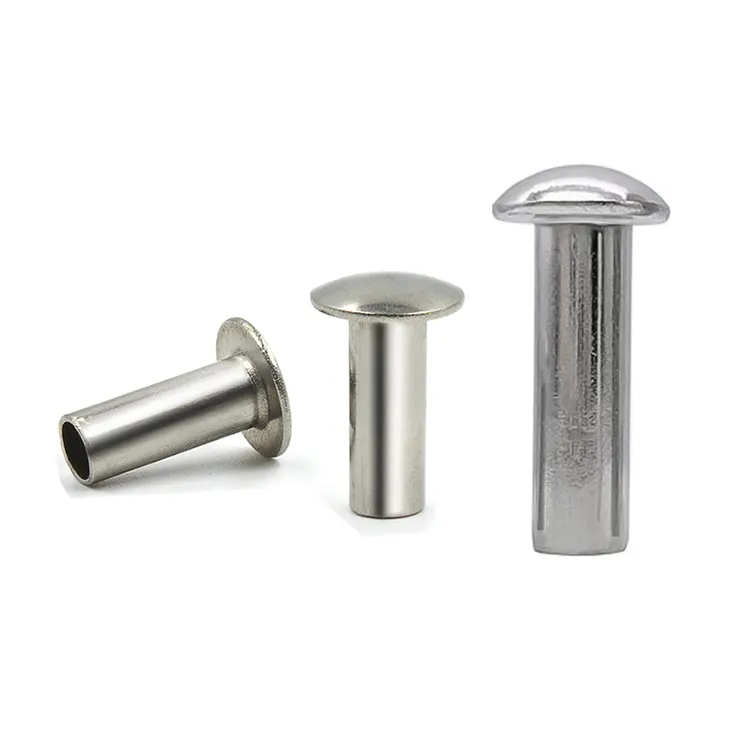
Pilzkopfnieten aus Edelstahl
Nuote Metals ist auf die Herstellung von Pilzkopfnieten aus Edelstahl spezialisiert. Unsere Nieten aus Edelstahl zeichnen sich durch eine glänzende Oberfläche aus. Von der Rohstofflagerung über die Produktion bis hin zum Versand kontrollieren wir jedes Detail streng, um sicherzustellen, dass jede Niete mit einwandfreiem Aussehen und einwandfreien Abmessungen an unsere Kunden geliefert wird. Diese aus Edelstahl gefertigten pilzförmigen Nieten sind korrosionsbeständig und verfügen über starke mechanische Eigenschaften. Sie werden häufig in Nietanwendungen wie Gepäck, Bekleidung und Industrieausrüstung eingesetzt.
WeiterlesenAnfrage absenden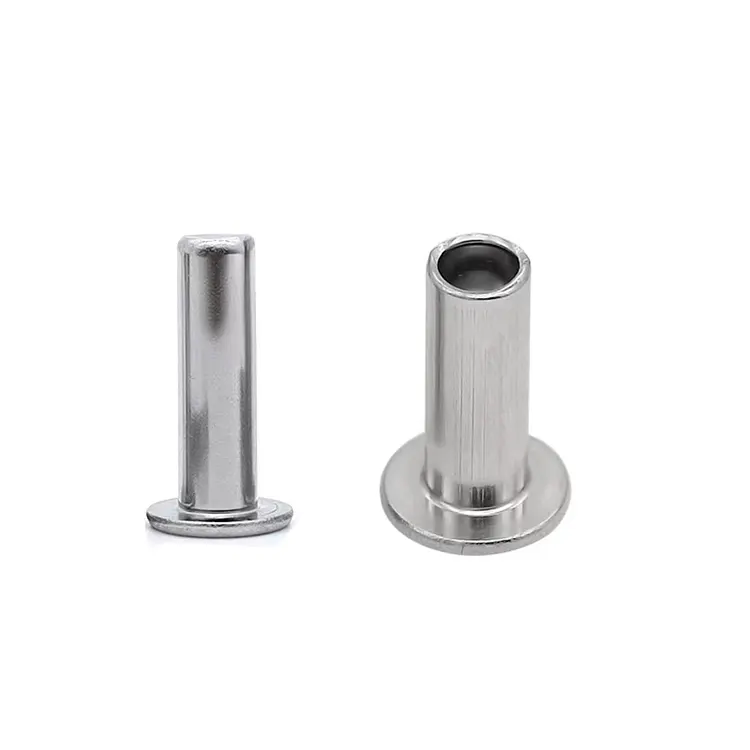
Flachkopfnieten aus Edelstahl
Nuote Metals ist auf die Herstellung von Flachkopfnieten aus Edelstahl spezialisiert. Wir verwenden SUS304- oder SUS316L-Materialien, was zu einer glatten, kratzfreien Oberfläche führt. Die Abmessungen werden streng nach Kundenzeichnungen eingehalten und unsere Qualitätskontrollabteilung prüft sowohl das Aussehen als auch die Abmessungen gründlich, um sicherzustellen, dass jede Niete den Kundenspezifikationen entspricht. Flachkopfnieten aus Edelstahl bestehen hauptsächlich aus Edelstahl, einer Legierung, die für ihre Korrosionsbeständigkeit, hohe Temperaturbeständigkeit und hohe Festigkeit bekannt ist. Dadurch wird sichergestellt, dass diese Flachkopfnieten aus Edelstahl auch in feuchten, sauren oder alkalischen Umgebungen stabil bleiben und Rost oder Verformung widerstehen.
WeiterlesenAnfrage absenden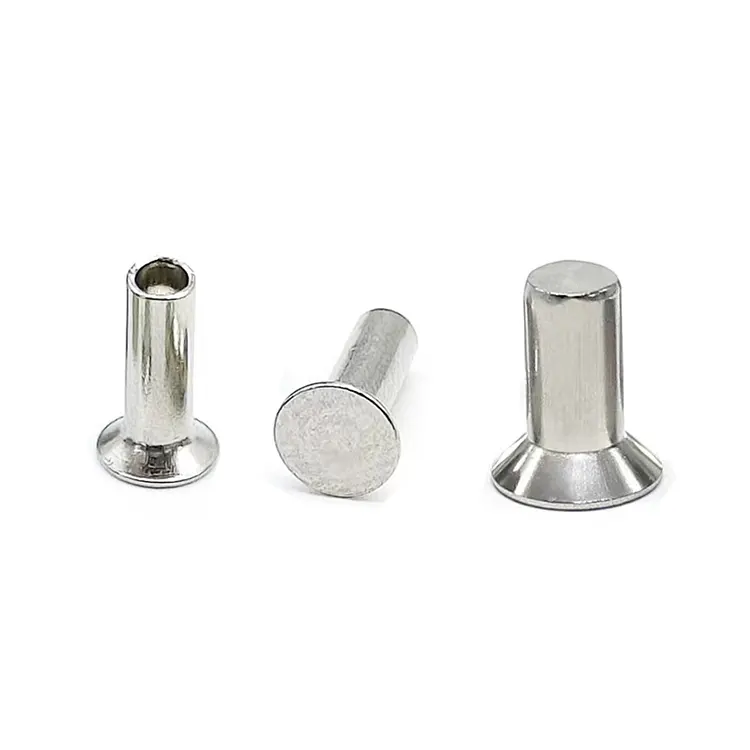
Senkkopfnieten aus Edelstahl
Senkkopfnieten aus Edelstahl bestehen aus Edelstahl, um Korrosionsbeständigkeit und Haltbarkeit zu gewährleisten. Zu den gängigen Edelstahlmaterialien gehören 304 und 316, und das zu verwendende spezifische Material hängt von der spezifischen Anwendungsumgebung und den Anforderungen ab. Nuote Metals ist auf die Herstellung von Edelstahlnieten spezialisiert, einschließlich verschiedener Kopfformen, wie Flachkopfnieten aus Edelstahl, Kuppelkopfnieten aus Edelstahl, Pilzkopfnieten aus Edelstahl, Flachkopfnieten aus Edelstahl und mehr. Wir freuen uns über Ihre Anfragen.
WeiterlesenAnfrage absenden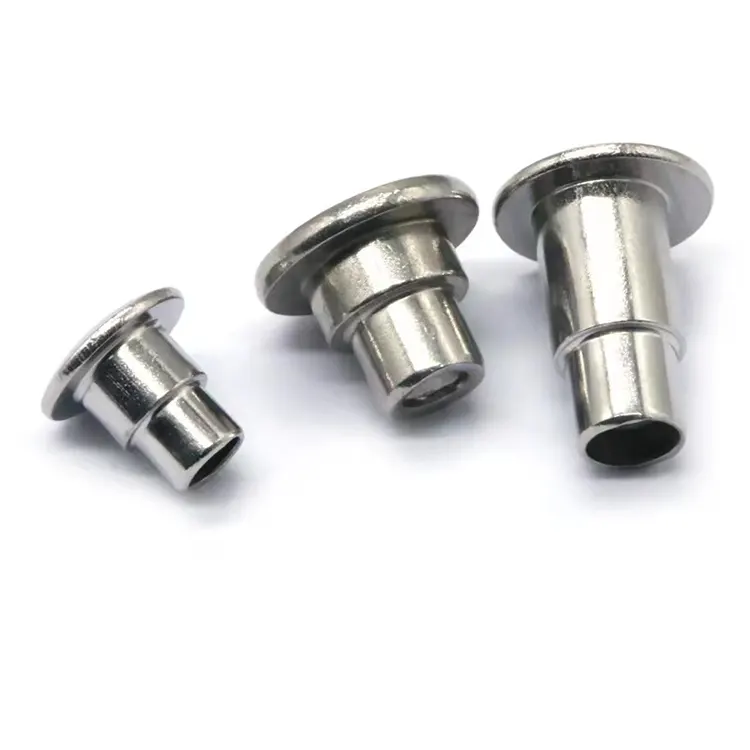
Schulternieten
Nuote Metals produziert und liefert Schulternieten, die nach ihrer Ähnlichkeit mit Stufen benannt sind. Mit Sitz in Dongguan, China, fertigen wir diese Nieten aus verschiedenen Materialien, darunter Edelstahl, Kupfer, Eisen und Aluminium. Alle Schulternieten werden nach Ihren Zeichnungen oder Mustern hergestellt, um Ihren spezifischen Nietanforderungen gerecht zu werden. Unsere Nieten sind präzisionsgefertigt und eignen sich für eine Vielzahl von Oberflächenbehandlungen, einschließlich Galvanisieren, Elektrophorese und Eloxieren.
WeiterlesenAnfrage absenden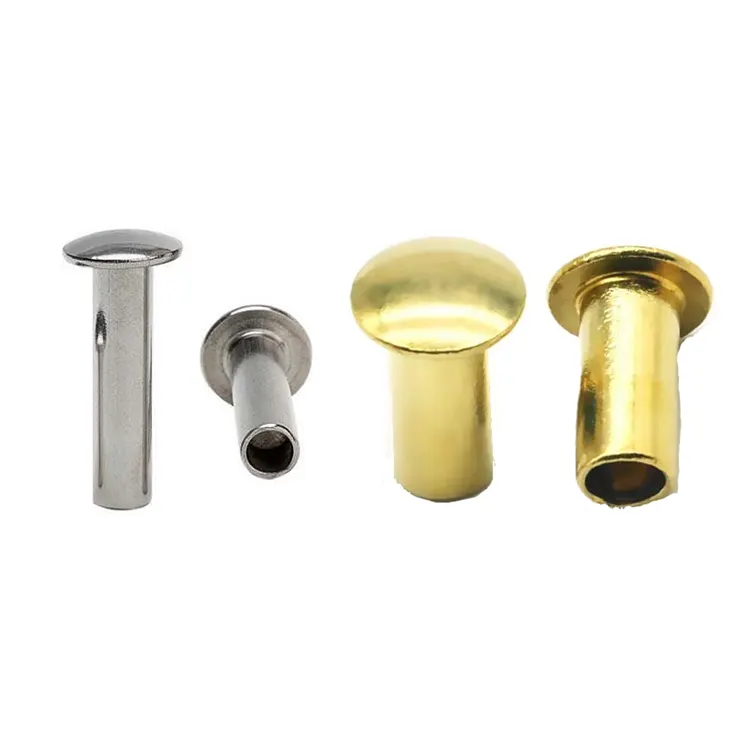
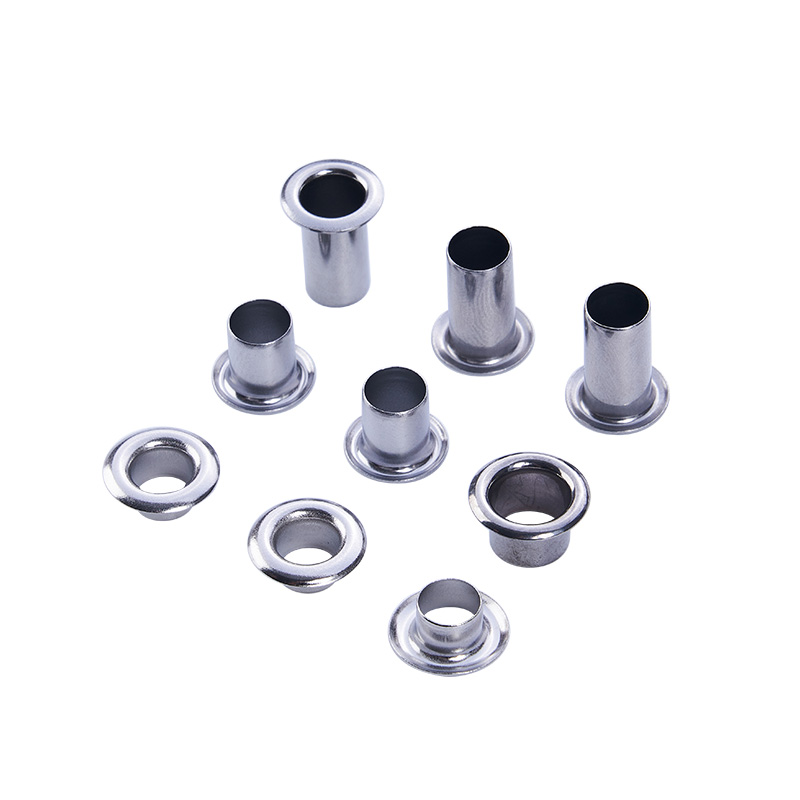
Halbhohlnieten
Nuote Metals ist ein professioneller Nietenhersteller mit Sitz in Dongguan, China, einer industriell entwickelten Stadt mit bequemen Transportmöglichkeiten und einem umfassenden Angebot an Oberflächenbehandlungen. Halbhohlnieten sind ein häufig verwendetes Befestigungselement, das sich durch einen hohlen Abschnitt am Schaft auszeichnet. Durch diese Konstruktion können sie sich besser an die Verformung der verbundenen Materialien während des Nietvorgangs anpassen und so die Festigkeit und Zuverlässigkeit der Verbindung verbessern. Halbhohlnieten werden häufig in der Automobil-, Luftfahrt- und Schiffbauindustrie sowie bei der Montage von Elektronik- und Haushaltsgeräten eingesetzt.
WeiterlesenAnfrage absendenHerstellungsprozess von Spezialnieten
Bei der Herstellung von Spezialnieten sind mehrere Verbindungen erforderlich, darunter vor allem:
1.Materialauswahl:Wählen Sie je nach Einsatzumgebung geeignete Metall- oder Legierungsmaterialien aus.
2.Kaltüberschrift oder Heißüberschrift:Durch Druckbearbeitung wird die Grundform der Niete in den Metallrohling geformt.
3.Drehen oder Fräsen:Bearbeiten Sie die Details wie den Kopf und den Schaft der Niete sorgfältig, um die Maßhaltigkeit sicherzustellen.
4.Oberflächenbehandlung:Zum Beispiel Verzinken, Vernickeln, Eloxieren usw. zur Verbesserung der Korrosionsbeständigkeit oder Ästhetik.
Vorteile und Grenzen von Spezialnieten
(1) Vorteile: Sie können spezielle Anforderungen erfüllen, die Montageeffizienz und Verbindungszuverlässigkeit verbessern und eignen sich für komplexe oder anspruchsvolle Anwendungsszenarien.
(2) Einschränkungen: Da es sich um kundenspezifische Produkte handelt, sind die Produktionskosten hoch, der Lieferzyklus relativ lang und die Kunden müssen detaillierte technische Parameter angeben.
Wie wählt man geeignete Spezialnieten aus?
(1)Klären Sie die Bedürfnisse:Bestimmen Sie die wichtigsten Parameter wie die Betriebsumgebung des Niets, die Belastungsbedingungen und die Anforderungen an die Korrosionsbeständigkeit.
(2)Materialabstimmung:Wählen Sie das geeignete Material basierend auf den tatsächlichen Anforderungen aus, um eine Überkonstruktion zu vermeiden, die zu höheren Kosten führt.
(3)Kommunizieren Sie mit Lieferanten:Stellen Sie detaillierte technische Zeichnungen oder Muster zur Verfügung, um sicherzustellen, dass die hergestellten Spezialnieten den Erwartungen entsprechen.
Was sind die Hauptanwendungsgebiete von Spezialnieten?
(1)Luft- und Raumfahrt: Flugzeuge, Raketen und andere Ausrüstungsgegenstände stellen extrem hohe Anforderungen an das Gewicht, die Festigkeit und die Hochtemperaturbeständigkeit von Verbindungselementen. Spezielle Nieten können je nach Bedarf optimiert werden.
(2)Automobilbau:Bestimmte Sondermodelle oder Hochleistungsfahrzeuge erfordern möglicherweise Spezialnieten, um den Anforderungen leichter oder hochfester Verbindungen gerecht zu werden.
(3)Elektronische Geräte:Präzisionsinstrumente oder kleine elektronische Geräte erfordern möglicherweise Mikro-Spezialnieten, um die Stabilität und Kompaktheit der Verbindung zu gewährleisten.
(4)Baubranche:Bei einigen speziell strukturierten Gebäuden oder Dekorationsprojekten werden möglicherweise spezielle Nieten verwendet, um bestimmte Installationsanforderungen zu erfüllen.
Marktstatus von Spezialnieten
Mit der Weiterentwicklung der Industrietechnologie haben immer mehr Branchen begonnen, Spezialnieten zur Optimierung des Produktdesigns einzusetzen. Derzeit konzentrieren sich Spezialnietenhersteller hauptsächlich auf die Regionen Jangtse-Delta und Perlflussdelta in China und können eine Vielzahl maßgeschneiderter Dienstleistungen anbieten. Aufgrund des hohen Stückpreises von Spezialnieten ist die Marktgröße relativ klein, aber die Nachfrage im High-End-Fertigungsbereich wächst weiter.
Zukünftige Entwicklungstrends
(1)Leichtes Design: Mit der Verbesserung der Energiespar- und Umweltschutzanforderungen werden Spezialnieten aus leichten Materialien immer beliebter.
(2)Intelligente Produktion: Automatisierte Anlagen und digitales Management werden die Produktionseffizienz und Qualitätsstabilität von Spezialnieten weiter verbessern.
(3)Breitere Anwendung: Aufstrebende Industrien wie neue Energien und Robotik könnten das Wachstum der Nachfrage nach Spezialnieten vorantreiben.
Zusammenfassend lässt sich sagen, dass es sich bei Spezialnieten um hochgradig kundenspezifische Verbindungselemente handelt, die spezielle Anforderungen erfüllen können, die Standardnieten nicht erfüllen können. Obwohl die Produktionskosten relativ hoch sind, spielt es in Branchen wie Luft- und Raumfahrt, Automobil und Elektronik eine unersetzliche Rolle. Mit der Weiterentwicklung der Fertigungstechnologie wird erwartet, dass sich der Anwendungsbereich von Spezialnieten in Zukunft weiter erweitern wird.



X
Wir verwenden Cookies, um Ihnen ein besseres Surferlebnis zu bieten, den Website-Verkehr zu analysieren und Inhalte zu personalisieren. Durch die Nutzung dieser Website stimmen Sie der Verwendung von Cookies zu.
Datenschutzrichtlinie