Spezielle Nieten
Produkte
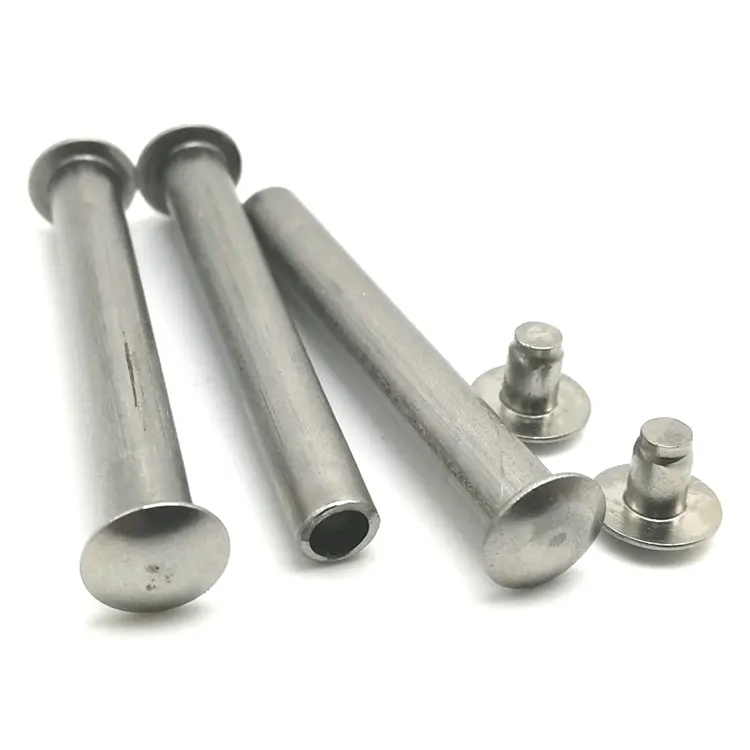
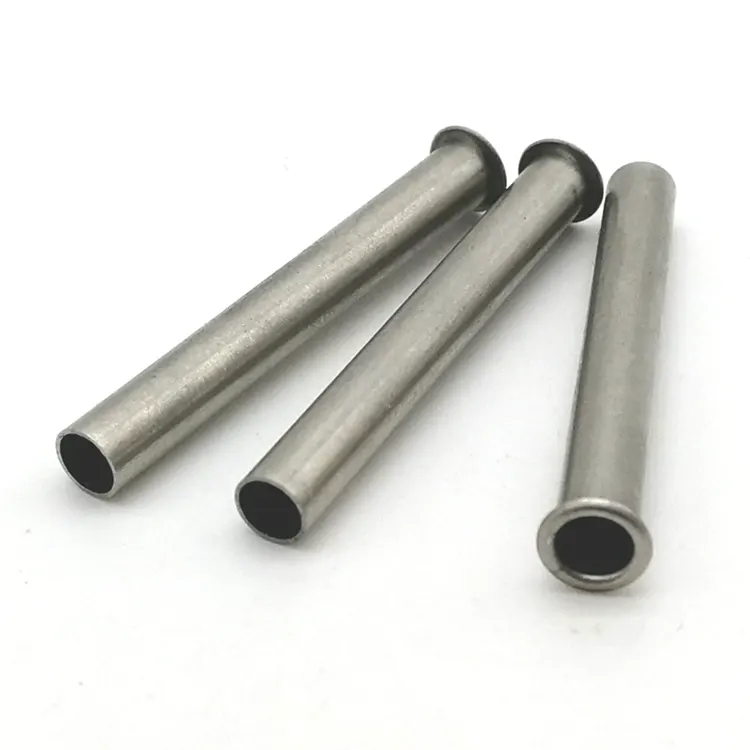
- View as
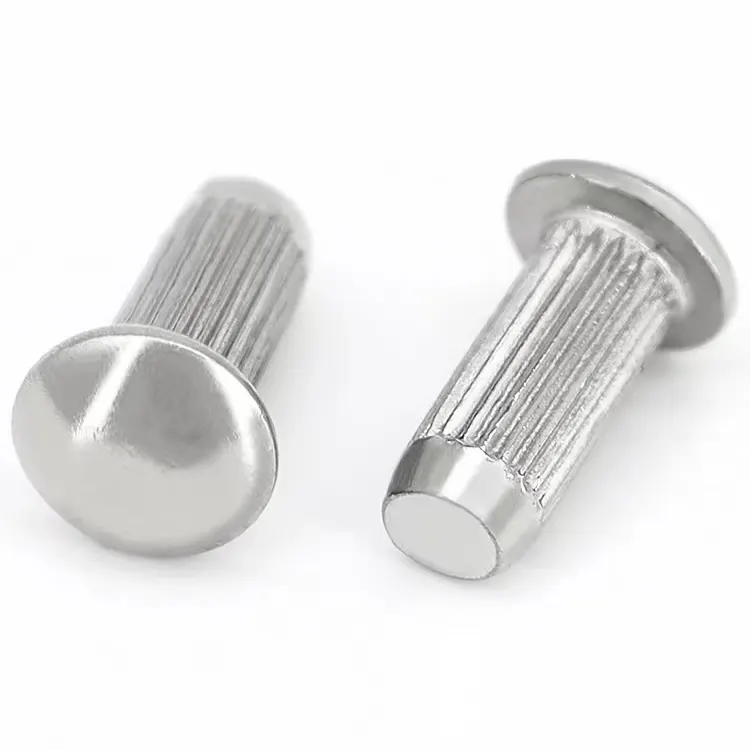
Gerändelte Nieten
Rändelnieten bestehen typischerweise aus Kopf, Schaft und Schwanz. Der Schaft verfügt über ein diagonales oder gerades Rändelmuster, eine bearbeitete, geprägte Textur, die für einen besseren Halt während der Installation sorgt und ein Abrutschen des Werkzeugs verhindert. Der Schaft ist zylindrisch, wobei Länge und Durchmesser je nach Anwendung variieren. Übliche Größen reichen von 3 mm bis 8 mm Durchmesser und 5 mm bis 20 mm Länge. Das Endstück kann auch Gewinde oder Nuten zur Aufnahme von Muttern oder anderen Befestigungselementen aufweisen.
WeiterlesenAnfrage absenden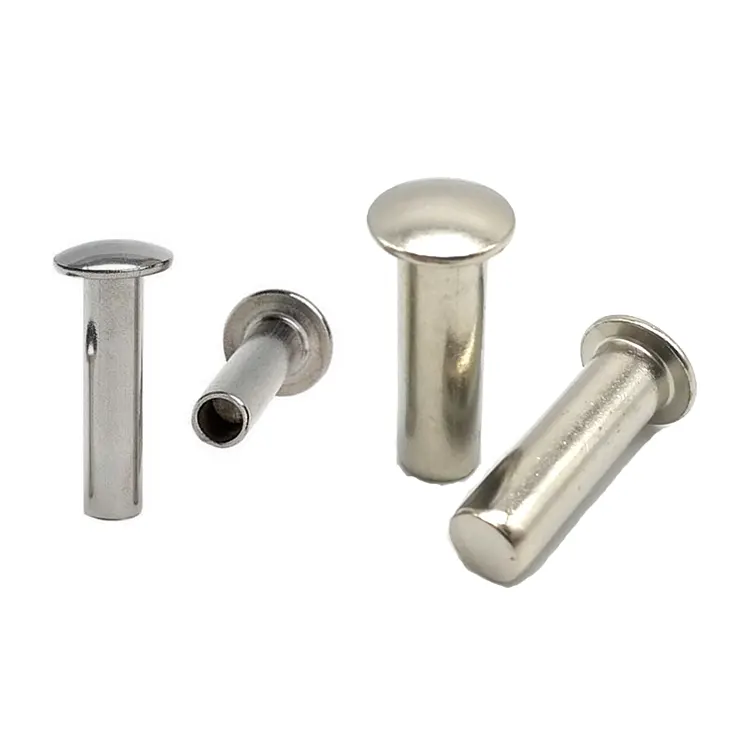
Rundkopfnieten aus Eisen
Rundkopfnieten aus Eisen sind ein Befestigungselement, das in der industriellen Fertigung und im Alltag weit verbreitet ist. Ihr einzigartiges Design und ihre hervorragende Leistung machen sie in vielen Bereichen zur ersten Wahl. Nuote Metals ist auf die Herstellung von Rundkopfnieten aus Eisen spezialisiert. Die Abmessungen unserer Nieten halten sich strikt an die in den Zeichnungen des Kunden angegebenen Toleranzen. Jeder Prozess unterliegt einem Qualitätskontrollzyklus, um die Qualität des Endprodukts sicherzustellen. Wir verfügen über Dutzende Kaltstauchmaschinen mit einer täglichen Produktion von mehreren zehn Millionen Nieten.
WeiterlesenAnfrage absenden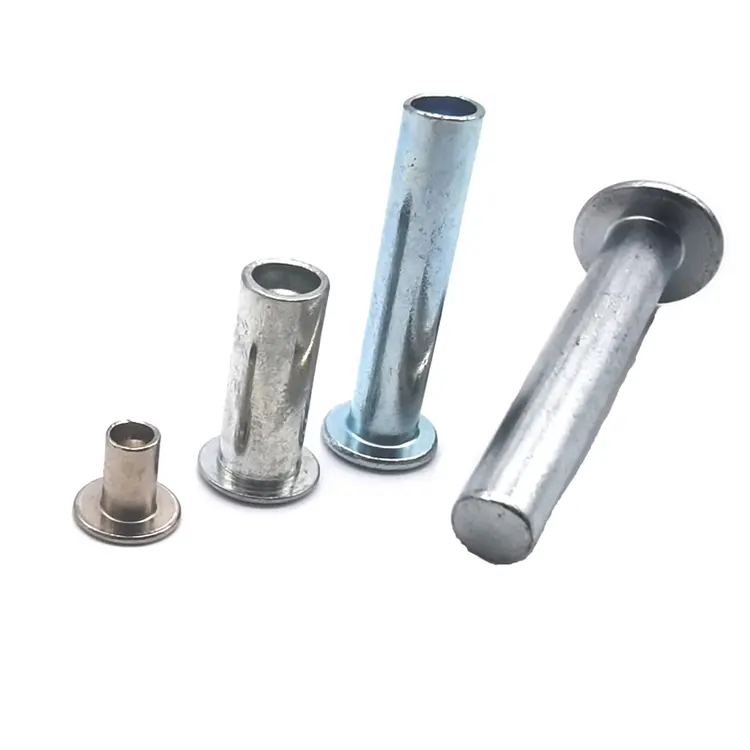
Eisennieten
Nuote Metals stellt Eisennieten in Voll-, Halbrohr- und Vollrohrausführung her und bietet damit die beste Kombination aus Festigkeit und Wirtschaftlichkeit bei der industriellen Befestigung. Erhältlich mit Schaftdurchmessern von 1,5–8,0 mm mit Verzinkung oder schwarzer Oxidoberfläche.
WeiterlesenAnfrage absenden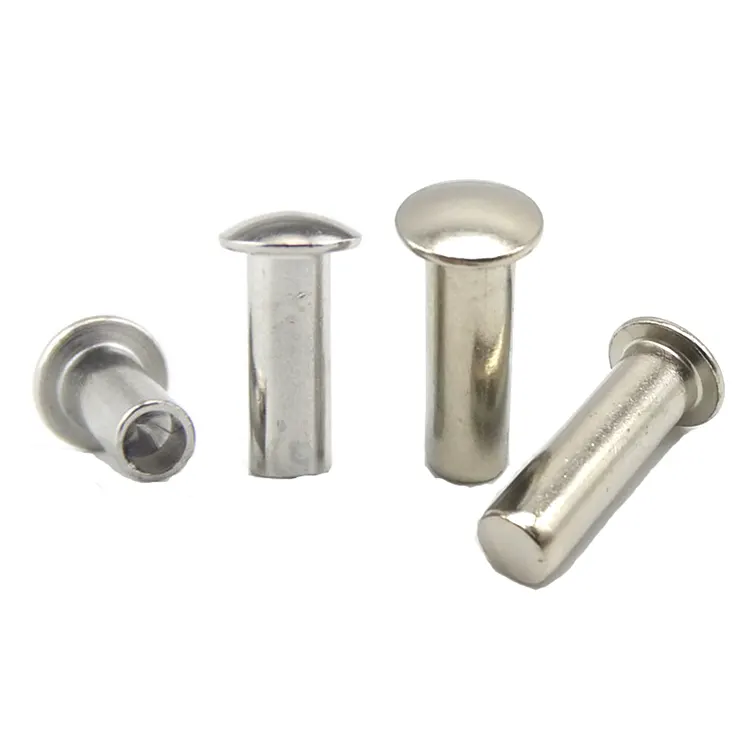
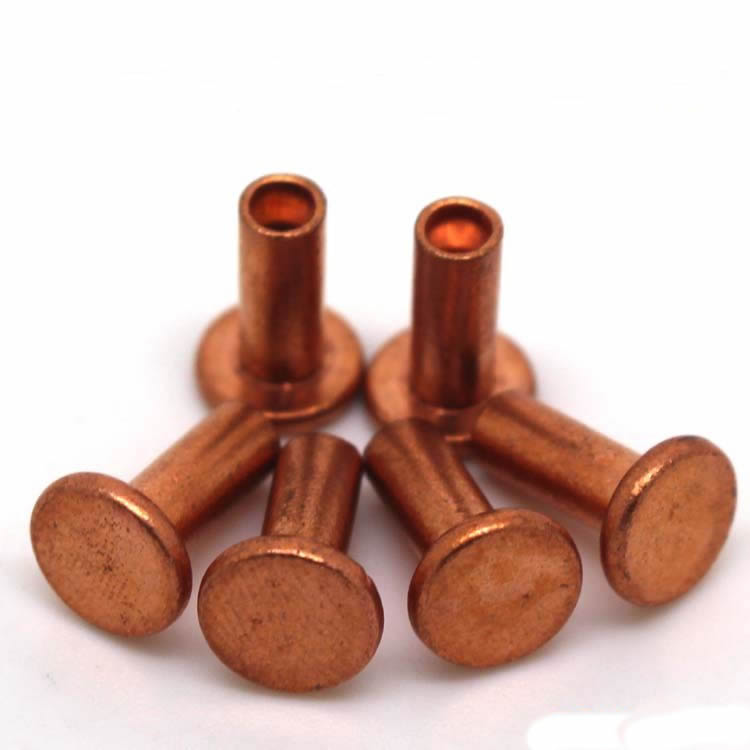
Flachkopfnieten aus Eisen
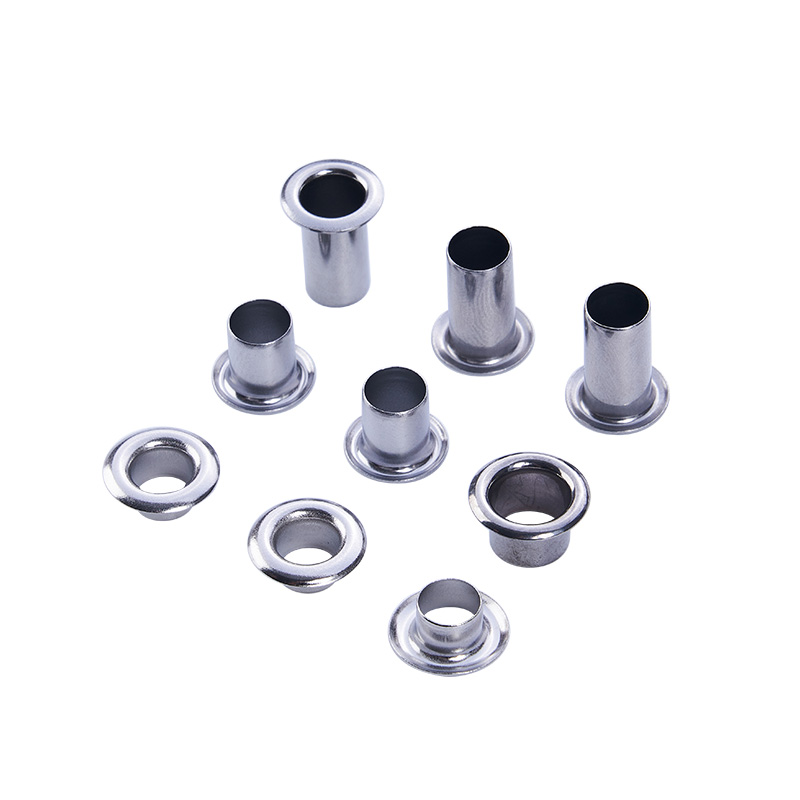
Flachkopfnieten aus Eisen haben sich mit ihren leichten, korrosionsbeständigen und ästhetisch ansprechenden Eigenschaften zu vielseitigen Allroundern in der industriellen Fertigung entwickelt. Ob bei gewichtskritischen Anwendungen oder im Alltag, Flachkopfnieten aus Eisen bieten außergewöhnliche Leistung und Zuverlässigkeit. Willkommen bei Nuote Metals in Dongguan, China, einem Spezialisten für diese Nieten. Wir bieten qualitativ hochwertige Produkte mit garantierter Lieferung. Wir fertigen auch anderes Hardware-Zubehör wie Ösen, bearbeitete Teile und Stanzteile.
WeiterlesenAnfrage absenden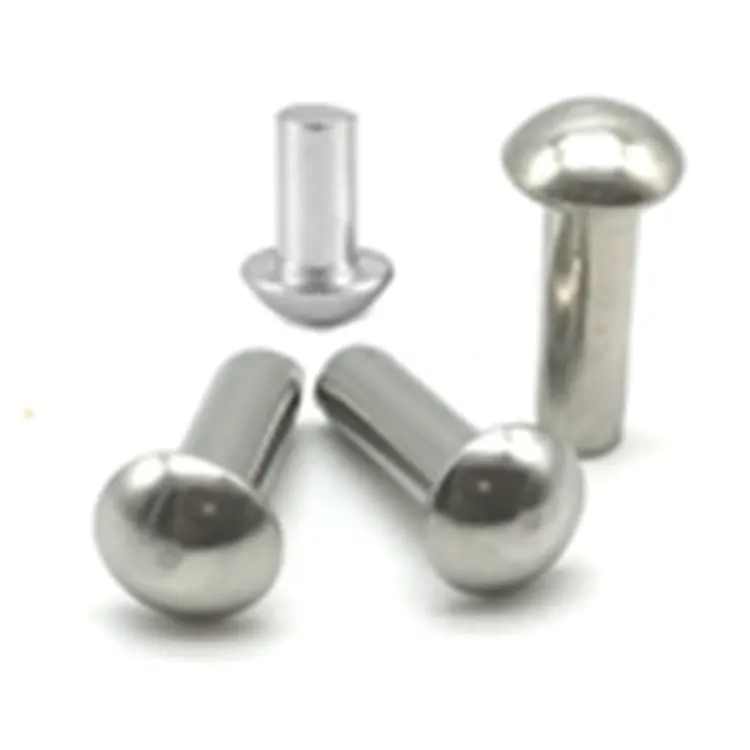
Pilzkopfnieten aus Eisen
Nuote Metals ist ein professioneller Nietenhersteller mit Sitz in Dongguan, China. Unsere Pilznieten aus Eisen haben, wie der Name schon sagt, einen pilzförmigen Kopf mit entweder einem halbhohlen oder massiven Kern. Der Kopf ist typischerweise größer und bietet eine gute Auflagefläche. Diese Struktur ermöglicht eine Verformung während der Installation, entweder durch Extrusion oder Spezialwerkzeuge, um zwei oder mehr Materialien sicher zu verbinden. Sie bestehen aus Eisen und sind in der Regel verzinkt oder zur Korrosionsbeständigkeit mit anderen Oberflächen behandelt.
WeiterlesenAnfrage absenden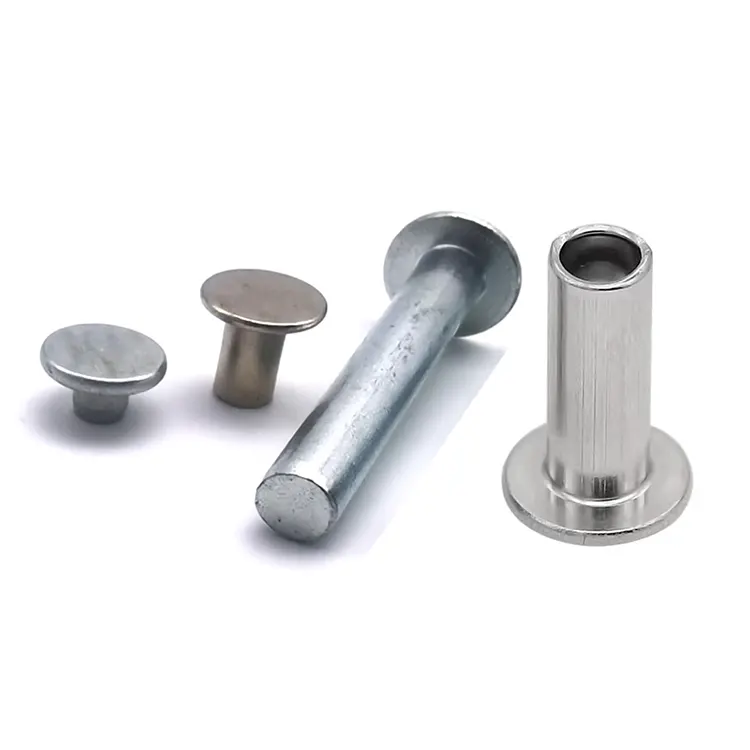
Flachkopfnieten aus Eisen
Als gängige mechanische Verbindung nehmen Flachkopfnieten aus Eisen aufgrund ihrer Konstruktionsmerkmale und ihres breiten Anwendungsspektrums in zahlreichen Industriebereichen eine wichtige Stellung ein. Strukturell ist der Nietkopf flach, scheibenförmig und der Körper zylindrisch. Das Ende wird speziell bearbeitet, um eine Stauchstruktur zu bilden. Nach der Installation dehnt sich der Körper durch Druck oder Stoß aus und bildet einen mechanischen Eingriff mit der Lochwand, um einen Spanneffekt zu erzielen. Im Vergleich zu Rundkopfnieten oder Senkkopfnieten bietet die Flachkopfkonstruktion deutliche Vorteile bei Kraftverteilung und Kontaktfläche. Wenn er beispielsweise einer Scherkraft ausgesetzt wird, kann sein scheibenförmiger Kopf die Last auf eine größere Fläche verteilen und so den Druck pro Flächeneinheit wirksam reduzieren.
WeiterlesenAnfrage absendenHerstellungsprozess von Spezialnieten
Bei der Herstellung von Spezialnieten sind mehrere Verbindungen erforderlich, darunter vor allem:
1.Materialauswahl:Wählen Sie je nach Einsatzumgebung geeignete Metall- oder Legierungsmaterialien aus.
2.Kaltüberschrift oder Heißüberschrift:Durch Druckbearbeitung wird die Grundform der Niete in den Metallrohling geformt.
3.Drehen oder Fräsen:Bearbeiten Sie die Details wie den Kopf und den Schaft der Niete sorgfältig, um die Maßhaltigkeit sicherzustellen.
4.Oberflächenbehandlung:Zum Beispiel Verzinken, Vernickeln, Eloxieren usw. zur Verbesserung der Korrosionsbeständigkeit oder Ästhetik.
Vorteile und Grenzen von Spezialnieten
(1) Vorteile: Sie können spezielle Anforderungen erfüllen, die Montageeffizienz und Verbindungszuverlässigkeit verbessern und eignen sich für komplexe oder anspruchsvolle Anwendungsszenarien.
(2) Einschränkungen: Da es sich um kundenspezifische Produkte handelt, sind die Produktionskosten hoch, der Lieferzyklus relativ lang und die Kunden müssen detaillierte technische Parameter angeben.
Wie wählt man geeignete Spezialnieten aus?
(1)Klären Sie die Bedürfnisse:Bestimmen Sie die wichtigsten Parameter wie die Betriebsumgebung des Niets, die Belastungsbedingungen und die Anforderungen an die Korrosionsbeständigkeit.
(2)Materialabstimmung:Wählen Sie das geeignete Material basierend auf den tatsächlichen Anforderungen aus, um eine Überkonstruktion zu vermeiden, die zu höheren Kosten führt.
(3)Kommunizieren Sie mit Lieferanten:Stellen Sie detaillierte technische Zeichnungen oder Muster zur Verfügung, um sicherzustellen, dass die hergestellten Spezialnieten den Erwartungen entsprechen.
Was sind die Hauptanwendungsgebiete von Spezialnieten?
(1)Luft- und Raumfahrt: Flugzeuge, Raketen und andere Ausrüstungsgegenstände stellen extrem hohe Anforderungen an das Gewicht, die Festigkeit und die Hochtemperaturbeständigkeit von Verbindungselementen. Spezielle Nieten können je nach Bedarf optimiert werden.
(2)Automobilbau:Bestimmte Sondermodelle oder Hochleistungsfahrzeuge erfordern möglicherweise Spezialnieten, um den Anforderungen leichter oder hochfester Verbindungen gerecht zu werden.
(3)Elektronische Geräte:Präzisionsinstrumente oder kleine elektronische Geräte erfordern möglicherweise Mikro-Spezialnieten, um die Stabilität und Kompaktheit der Verbindung zu gewährleisten.
(4)Baubranche:Bei einigen speziell strukturierten Gebäuden oder Dekorationsprojekten werden möglicherweise spezielle Nieten verwendet, um bestimmte Installationsanforderungen zu erfüllen.
Marktstatus von Spezialnieten
Mit der Weiterentwicklung der Industrietechnologie haben immer mehr Branchen begonnen, Spezialnieten zur Optimierung des Produktdesigns einzusetzen. Derzeit konzentrieren sich Spezialnietenhersteller hauptsächlich auf die Regionen Jangtse-Delta und Perlflussdelta in China und können eine Vielzahl maßgeschneiderter Dienstleistungen anbieten. Aufgrund des hohen Stückpreises von Spezialnieten ist die Marktgröße relativ klein, aber die Nachfrage im High-End-Fertigungsbereich wächst weiter.
Zukünftige Entwicklungstrends
(1)Leichtes Design: Mit der Verbesserung der Energiespar- und Umweltschutzanforderungen werden Spezialnieten aus leichten Materialien immer beliebter.
(2)Intelligente Produktion: Automatisierte Anlagen und digitales Management werden die Produktionseffizienz und Qualitätsstabilität von Spezialnieten weiter verbessern.
(3)Breitere Anwendung: Aufstrebende Industrien wie neue Energien und Robotik könnten das Wachstum der Nachfrage nach Spezialnieten vorantreiben.
Zusammenfassend lässt sich sagen, dass es sich bei Spezialnieten um hochgradig kundenspezifische Verbindungselemente handelt, die spezielle Anforderungen erfüllen können, die Standardnieten nicht erfüllen können. Obwohl die Produktionskosten relativ hoch sind, spielt es in Branchen wie Luft- und Raumfahrt, Automobil und Elektronik eine unersetzliche Rolle. Mit der Weiterentwicklung der Fertigungstechnologie wird erwartet, dass sich der Anwendungsbereich von Spezialnieten in Zukunft weiter erweitern wird.



X
Wir verwenden Cookies, um Ihnen ein besseres Surferlebnis zu bieten, den Website-Verkehr zu analysieren und Inhalte zu personalisieren. Durch die Nutzung dieser Website stimmen Sie der Verwendung von Cookies zu.
Datenschutzrichtlinie