Nieten
Produkte
- View as

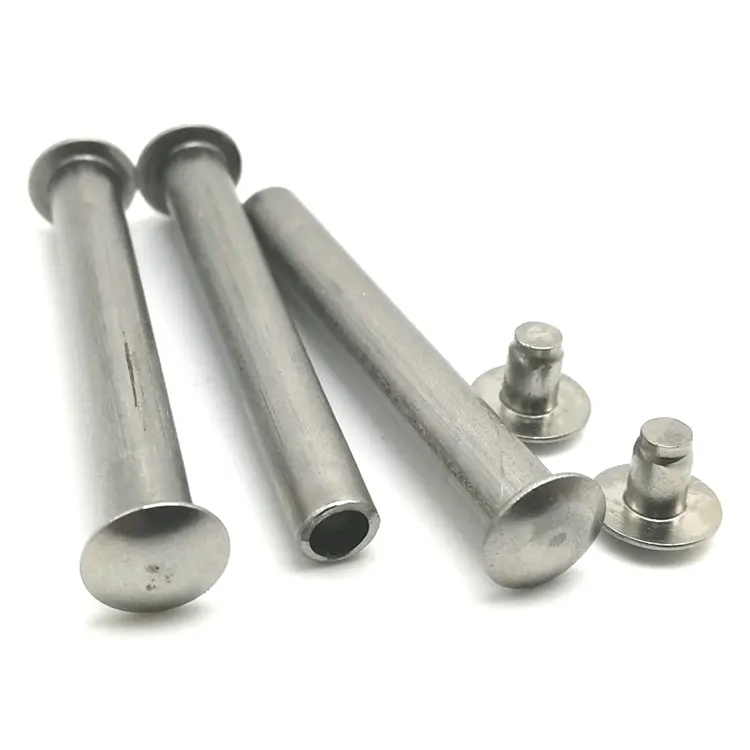
Halbrohrnieten aus Stahl
Halbrohrnieten aus Stahl von Nuote Metals, einem chinesischen Werk, bieten eine kostengünstige Befestigungslösung für die allgemeine Fertigung und den Bau. Diese aus hochfestem Kohlenstoffstahl gefertigten Nieten bieten eine hervorragende Scherfestigkeit für schwere Baugruppen wie Gerüste, landwirtschaftliche Geräte und Stahlmöbel. Das halbröhrenförmige Design weitet sich unter Druck sanft auf, wodurch die Installationskraft reduziert und gleichzeitig ein fester Halt gewährleistet wird. Erhältlich mit kundenspezifischen Durchmessern, Längen und Oberflächen – verzinkt, glatt oder brüniert. Im Gegensatz zu Edelstahl bieten unsere Stahlnieten eine vergleichbare Festigkeit zu einem günstigeren Preis, ideal für Großaufträge. Lösen Sie Budgetbeschränkungen, ohne auf Zuverlässigkeit zu verzichten. Vertrauen Sie unserer Fabrik für Präzision, Konsistenz und pünktliche Lieferung Ihrer kundenspezifischen Halbrohrnieten aus Stahl.
WeiterlesenAnfrage absenden
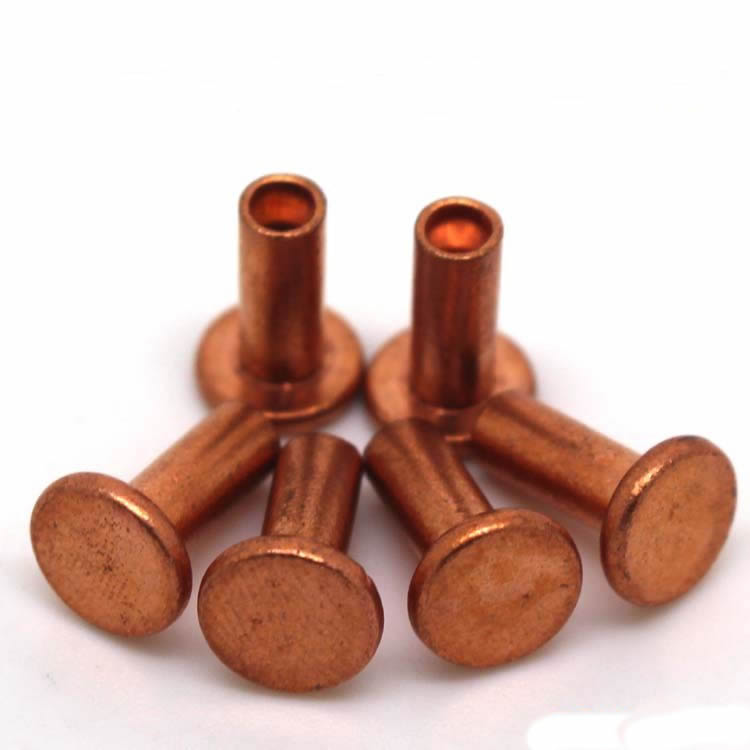
Halbhohlnieten mit rundem Kopf
Maßgeschneiderte Halbhohlnieten mit rundem Kopf – darin zeichnet sich Nuote Metals, eine Fabrik in China, aus. Mit einer klassischen Kuppel für gleichmäßige Lastverteilung und einem halbhohlen Schaft, der sich leicht und ohne übermäßige Krafteinwirkung setzen lässt, eignen sich diese Nieten für Möbel, Fahrzeuginnenräume und allgemeine Hardware. Wählen Sie zwischen Stahl, Messing oder Edelstahl in individuellen Abmessungen. Lösen Sie lose Verbindungen und Materialrisse mit unseren präzisionsgefertigten Nieten. Vertrauen Sie uns für gleichbleibende Qualität, schnelle Abwicklung und maßgeschneiderte Lösungen, die Ihren Montageanforderungen entsprechen.
WeiterlesenAnfrage absenden
Flachkopf-Halbhohlnieten
Für einen mäßig gewölbten Kopf, der sauber über der Oberfläche sitzt, bieten kundenspezifische Flachkopf-Halbhohlnieten aus unserem chinesischen Werk Nuote Metals sowohl Funktion als auch Finish. Der Flachkopf bietet eine gute Klemmkraft ohne die Masse einer Vollkuppel, während der halbhohle Körper den Antriebsaufwand reduziert und eine Beschädigung des Untergrunds verhindert. Ideal für Schaltschränke, Möbelbeschläge und Automobilverkleidungen. Erhältlich in Stahl, Messing oder Edelstahl. Erhalten Sie jedes Mal eine gleichmäßige Weite und sicheren Halt. Vertrauen Sie uns für präzisionsgefertigte Nieten, die Ihren Montageprozess vereinfachen.
WeiterlesenAnfrage absenden
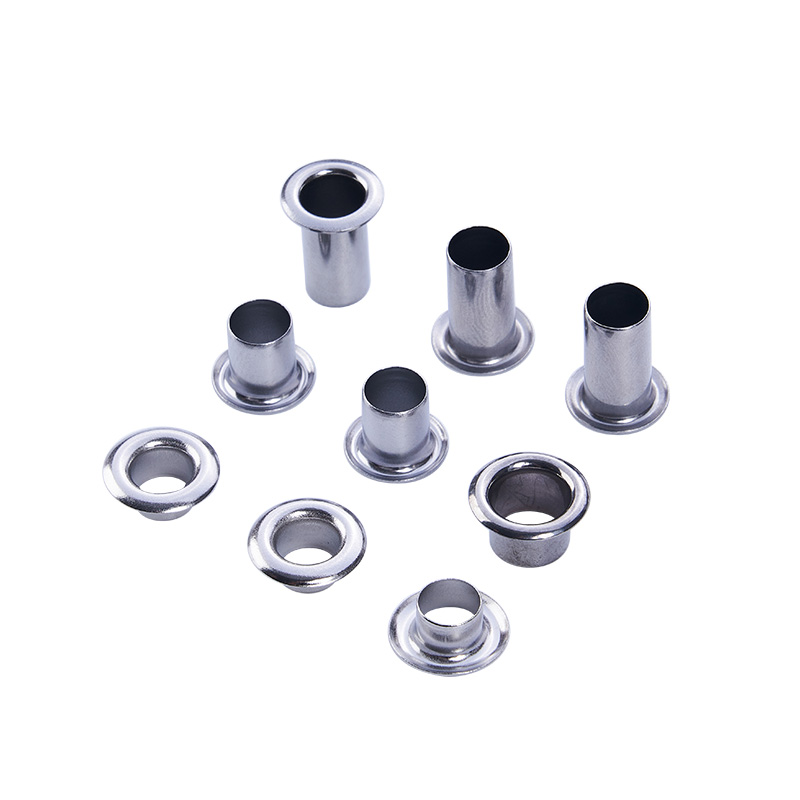
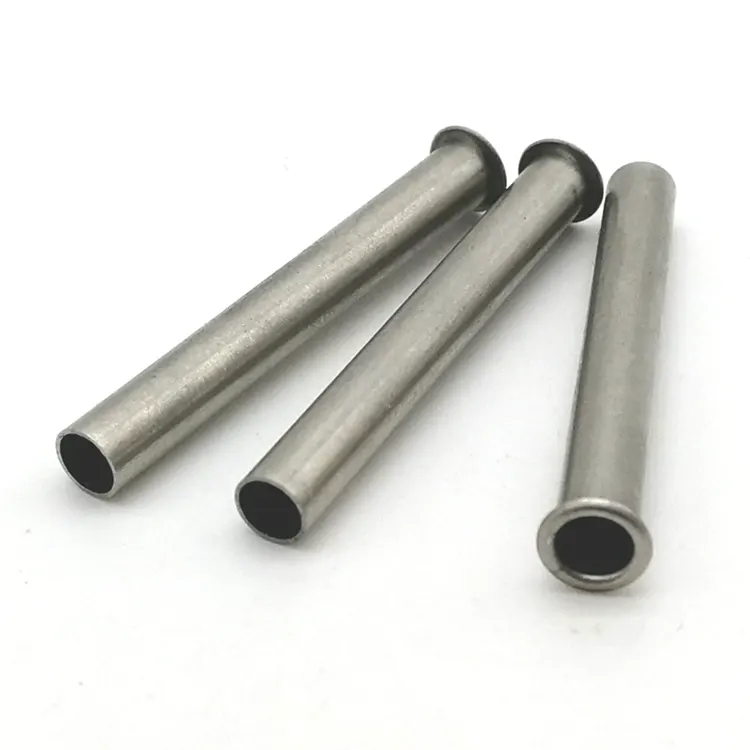
Halbhohlnieten aus Edelstahl
Präzisionsbefestigungen für anspruchsvolle Anwendungen beginnen mit kundenspezifischen Halbhohlnieten aus Edelstahl von Nuote Metals, einer Fabrik in China. Das halbhohle Design reduziert die Installationskraft, während der Edelstahlkörper eine hervorragende Korrosionsbeständigkeit und Scherfestigkeit bietet. Perfekt für Schiffszubehör, Lebensmittelausrüstung und Automobilbaugruppen, bei denen Rost keine Option ist. Erhältlich in den Güten 304 und 316. Beseitigen Sie schwache Gelenke und vorzeitiges Versagen. Vertrauen Sie unserer Fabrik für gleichbleibende Qualität, enge Toleranzen und schnelle Bearbeitung von Sonderanfertigungen.
WeiterlesenAnfrage absenden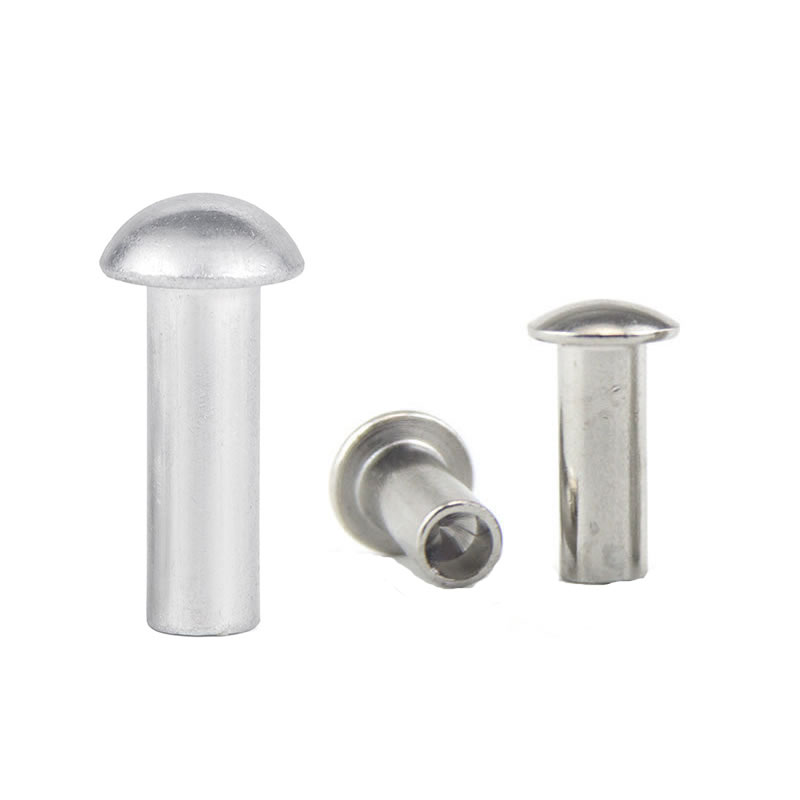
Halbhohlnieten mit Pilzkopf
Wenn Ihr Projekt eine gewölbte Niete erfordert, die die Last gleichmäßig verteilt, entscheiden Sie sich für kundenspezifische Halbhohlnieten mit Pilzkopf aus unserem chinesischen Werk Nuote Metals. Der breite Kopf schützt weiche Materialien wie Leder und Kunststoff vor dem Durchziehen, während der halbhohle Körper mit weniger Kraft aushärtet. Ideal für Gepäck, Werkzeuggriffe und Automobilverkleidungen. Erhältlich in Stahl, Messing oder Edelstahl. Vertrauen Sie uns, wenn es um Präzisionsfertigung geht, die Verbindungsversagen und Oberflächenrisse behebt.
WeiterlesenAnfrage absenden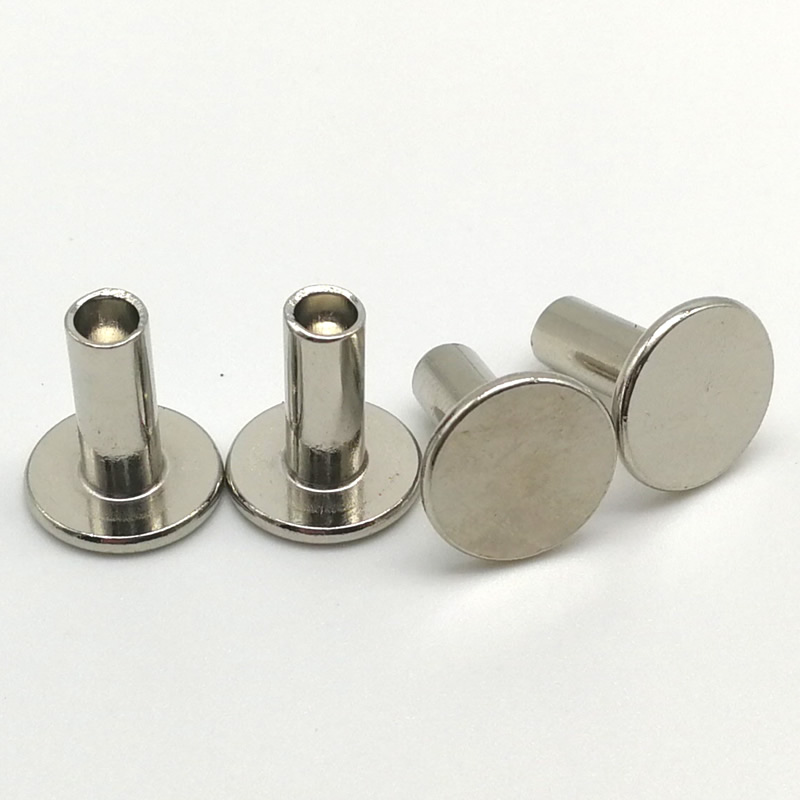
Flachkopf-Halbhohlnieten
Benötigen Sie eine bündige Befestigungslösung? Nuote Metals aus China, eine professionelle Fabrik, bietet kundenspezifische Flachkopf-Halbhohlnieten an. Der flache Kopf sitzt perfekt bündig mit Materialoberflächen und ist ideal für Elektronik, Namensschilder und Automobilverkleidungen. Der halbhohle Körper reduziert die Setzkraft und sorgt gleichzeitig für starken Halt, wodurch Risse in spröden Materialien verhindert werden. Erhältlich in Messing, Stahl und Edelstahl. Beheben Sie Oberflächenvorsprünge und Montageschäden mit Präzisionsnieten. Vertrauen Sie uns für gleichbleibende Qualität, die Ihr Produktfinish verbessert.
WeiterlesenAnfrage absendenWelche Vorteile haben Nieten gegenüber anderen Verbindungselementen?
1. Einfache Installation
Nieten lassen sich schnell installieren und sind bei Großserienanwendungen sogar vollautomatisch, was zu einem einfachen und effizienten Betriebsprozess führt.
2. Verbindungszuverlässigkeit
Der Nietprozess ist standardisiert und unterliegt einer strengen Qualitätskontrolle, was zu hochstabilen Verbindungen führt. Eine visuelle Inspektion ermöglicht eine schnelle Überprüfung der Verbindungsqualität.
3. Vibrations- und Schlagfestigkeit
Nieten werden durch Verformung oder Presspassung verbunden und bieten eine starke Klemmkraft und eine ausgezeichnete Vibrationsfestigkeit, sodass sie Vibrationen und Stößen standhalten können.
4. Niedrige Kosten
Nieten sind einfach zu installieren und können vollständig automatisiert werden, wodurch erhebliche Arbeitskosten eingespart werden.
Welche Vor- und Nachteile haben Nieten aus unterschiedlichen Materialien?
Aluminiumnieten
Vorteile: Geringes Gewicht, reduziert das Gesamtgewicht des Produkts, niedrige Kosten, geeignet für allgemeine zivile Anwendungen.
Nachteile: Geringe Zug- und Scherfestigkeit, ungeeignet für hochfeste Werkstücke, anfällig für elektrochemische Korrosion bei Kontakt mit Metallen wie Edelstahl.
Nieten aus Edelstahl
Vorteile: Starke Korrosionsbeständigkeit, hohe Härte, geeignet für hochfeste Werkstücke (z. B. Schiffsausrüstung)
Nachteile: Höhere Kosten, typischerweise teurer als Aluminiumnieten der gleichen Spezifikation.
Messing- und Kupfernieten
Vorteile: Hervorragende Leitfähigkeit (z. B. zum Verbinden elektronischer Komponenten), gute Korrosionsbeständigkeit.
Nachteile: Höhere Kosten, schwierigere Verarbeitung.
Stahlnieten
Vorteile: Hohe Härte, hohe Verbindungszuverlässigkeit und breite Anwendbarkeit.
Nachteile: Im Vergleich zu anderen Materialien sind Eisennieten anfälliger für Rost.
Was sind die Hauptanwendungsgebiete von Nieten?
Nieten haben ein breites Anwendungsspektrum, von kleinen Gegenständen wie einer Schere bis hin zu großen Gegenständen wie Flugzeugen und Schiffen sowie in hochpräzisen medizinischen Anwendungen.
Industrielle Fertigung
Nieten werden in den unterschiedlichsten Industriebereichen überall dort eingesetzt, wo es darum geht, zwei oder mehr Materialien zu verbinden.
Elektronik
Nieten sichern Kühlkörper und Chips, sorgen für Vibrationsdämpfung und Geräuschreduzierung und werden häufig in Kühlsystemen elektronischer Produkte wie Computer und Mobiltelefone eingesetzt.
Automobil
Nieten werden häufig zum Verbinden von Karosserie- und Fahrwerkskomponenten wie Türen und Motorhauben verwendet. Ihre leichten und korrosionsbeständigen Eigenschaften machen sie zu einem unverzichtbaren Fügeverfahren im Automobilbau.
Luft- und Raumfahrt
Im Flugzeugbau werden Nieten zur Verbindung unterschiedlicher Rumpfbauteile wie Tragflächen und Höhenleitwerke eingesetzt. Millionen von Nieten sorgen für hochfeste, korrosionsbeständige Verbindungen. Nieten aus Aluminium- und Titanlegierungen werden häufig zum Verbinden von Bauteilen aus entsprechenden Materialien verwendet und sorgen so für Stabilität in extremen Umgebungen.
Nieten werden überall verwendet. Die oben genannten Beispiele stellen nur einen kleinen Teil ihrer Anwendungen dar. Wir sehen Nieten überall in unserem täglichen Leben, beispielsweise an Scheren, Klappbetten, Kinderwagen usw. Nieten können je nach Anwendung in verschiedenen Größen und Materialien angepasst werden.
Nuote Metals ist seit über einem Jahrzehnt auf die Nietenindustrie spezialisiert. Unsere Fabrik befindet sich in Dongguan, einer Stadt, die als „Weltfabrik“ bekannt ist, einer Stadt mit einer entwickelten Industrie und bequemen Transportmöglichkeiten. Dadurch können wir bei der Beschaffung von Rohstoffen und unterstützenden Oberflächenbehandlungen schnell reagieren und so den Bedürfnissen unserer Kunden nach schnellem Zugriff auf Muster und Großbestellungen gerecht werden. Wir produzieren täglich 10 Millionen Nieten und verfügen über Formen mit unterschiedlichen Spezifikationen, die es uns ermöglichen, Nieten mit einer Größe von nur 0,8 mm und einer Größe von 10 mm herzustellen. Wir freuen uns über Ihre Anfragen und Besuche.



X
Wir verwenden Cookies, um Ihnen ein besseres Surferlebnis zu bieten, den Website-Verkehr zu analysieren und Inhalte zu personalisieren. Durch die Nutzung dieser Website stimmen Sie der Verwendung von Cookies zu.
Datenschutzrichtlinie